
Unpacking the Price Tag: What is the Real Cost of a Patriot Missile System?
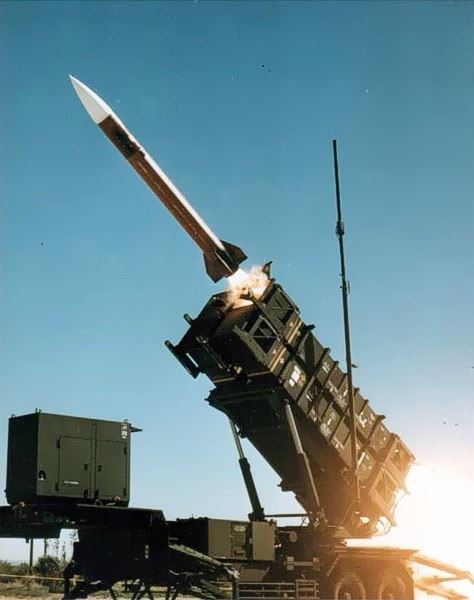
The Patriot Air and Missile Defense System, a cornerstone of Western air defense, is in higher demand than ever. As nations across Europe and the globe seek to bolster their security against increasingly sophisticated aerial threats, a key question arises: What is the actual cost of acquiring this advanced capability? Continue reading Unpacking the Price Tag: What is the Real Cost of a Patriot Missile System?


How Modern Air Defense Systems Stop 90% of Missile Attacks: The Complete 2025 Guide
World-class IAMD systems succeed through five fundamental criteria: comprehensive multi-layered defense architectures, seamless sensor-to-shooter integration, adaptive threat response capabilities, sustainable cost-effectiveness, and robust international interoperability. Continue reading How Modern Air Defense Systems Stop 90% of Missile Attacks: The Complete 2025 Guide
Luftvern: Høy beredskap over lang tid – kosteffektivt luftforsvar
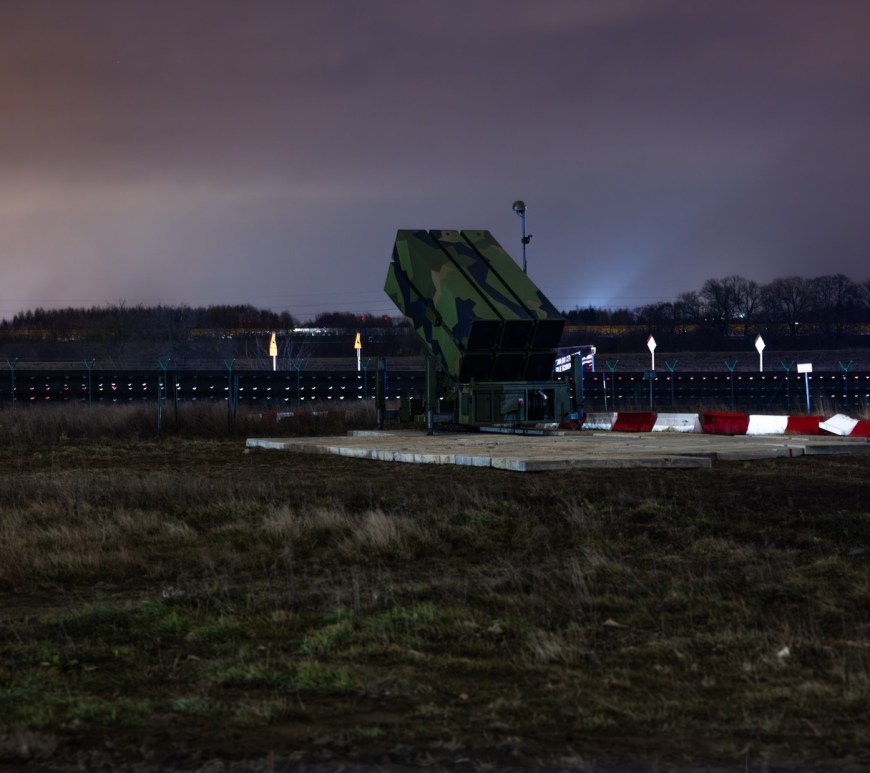
Norge og andre europeiske land har de siste årene opplevd økt behov for høy luftmilitær beredskap som følge av endrede sikkerhetspolitiske forhold, særlig etter krigen i Ukraina. Erfaringene fra både norske og allierte styrker viser at et moderne luftvern kan opprettholde høy beredskap over lang tid, samtidig som det gir et kosteffektivt vern mot lufttrusler sammenlignet med andre forsvarsgrener Continue reading Luftvern: Høy beredskap over lang tid – kosteffektivt luftforsvar

Norsk luftvern: hvorfor trenger vi det?
Norge står overfor det mest alvorlige trusselbildet siden den kalde krigen. Russisk luftaktivitet har økt dramatisk, hybride angrep rammer norsk infrastruktur daglig, og nye teknologier som droner og hypersoniske missiler endrer krigføringen fundamentalt. Samtidig gjennomfører Norge den største satsingen på luftvern siden 1960-tallet – over 40 milliarder kroner skal investeres frem til 2036. Men hvorfor trenger et lite NATO-land som Norge egen luftvernskapasitet? Continue reading Norsk luftvern: hvorfor trenger vi det?

Multi-Domain Missile Launchers: Scaling Strategic Capabilities
Multi-domain missile launcher concepts like the U.S. Army’s CAML program can be successfully adapted across all force classes through modular designs, tiered partnership models, and scalable automation approaches. The key finding is that successful adaptation requires matching system complexity and cost to force capabilities rather than pursuing one-size-fits-all solutions. Continue reading Multi-Domain Missile Launchers: Scaling Strategic Capabilities

Patriot Missile Systems: Empirical Performance Data (2020-2025)
Patriot missile systems experienced extensive combat deployment and testing from 2020-2025, providing unprecedented empirical data on system performance. The most significant finding is the confirmed intercept of Russian Kinzhal hypersonic missiles in Ukraine (May 2023), marking the first verified hypersonic missile intercept by any air defense system. However, performance data reveals substantial gaps between manufacturer claims and independently verified results, with success rates varying dramatically by threat type and operational conditions. Continue reading Patriot Missile Systems: Empirical Performance Data (2020-2025)

Natten da ørkenen sto i brann
Mandag kveld var Al Udeid-basen i Qatar uvanlig stille. De fleste soldatene var allerede sendt bort. Flyene var fløyet ut. Bare noen få var igjen – 44 unge amerikanere og to luftvernstillinger med Patriot-raketter. Ørkenen rundt dem lå badet i kveldssola. De visste at noe var i gjære. USA hadde nettopp gjennomført et angrep mot iranske mål. Nå ventet alle på svaret. Og de som … Continue reading Natten da ørkenen sto i brann

The Drone Defense Economics Crisis: When $3M Missiles Target $38K Drones
The fundamental economics of drone warfare have created an unsustainable cost asymmetry that threatens traditional air defense models. Ukraine’s combat data reveals that drones account for 70% of combat casualties, while mass-produced attack drones cost as little as $20,000-38,000 each. Meanwhile, defenders face the reality of using interceptors costing 100 to 3,000 times more than the threats they engage. This economic warfare dynamic is driving revolutionary changes in air defense strategy, from AI-enabled autonomous systems to directed energy weapons that promise near-zero cost per engagement. Continue reading The Drone Defense Economics Crisis: When $3M Missiles Target $38K Drones
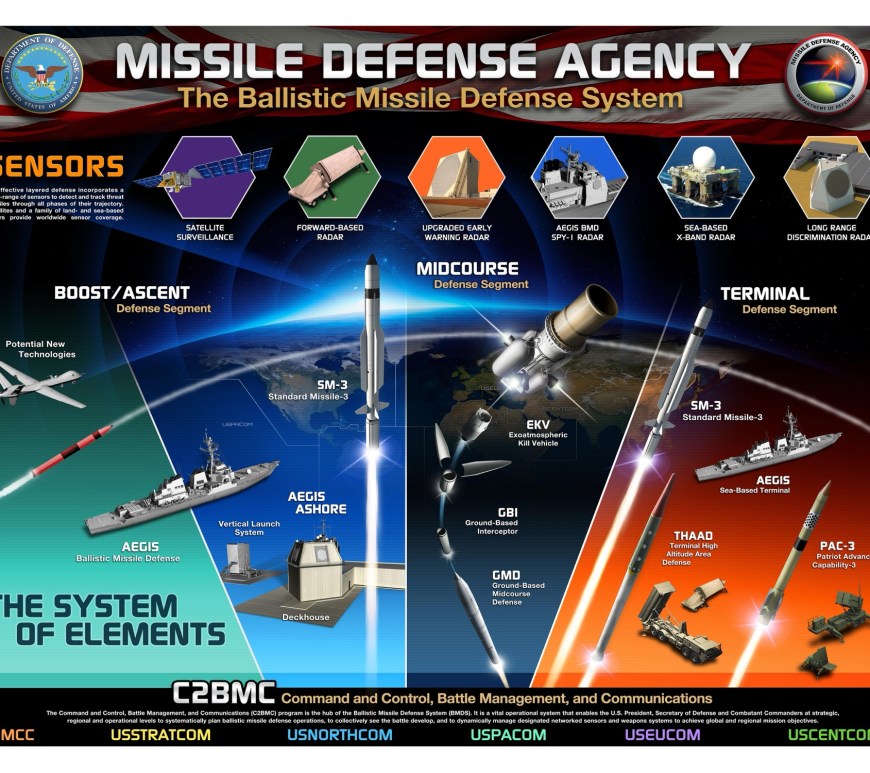
AEGIS, SM-3, GBI, EKV, THAAD and PAC-3: The U.S. Ballistic Missile Defense System Architecture
The United States operates the world’s most sophisticated ballistic missile defense system, integrating multiple layers of sensors, interceptors, and command networks to counter threats across all phases of ballistic missile flight. Recent combat deployments and evolving threats have validated some capabilities while highlighting critical gaps that drive ongoing modernization efforts. Continue reading AEGIS, SM-3, GBI, EKV, THAAD and PAC-3: The U.S. Ballistic Missile Defense System Architecture

The Nordic Norm of Ground-Based Air Defenses: Mass, Mix, Maneuver, and Integration
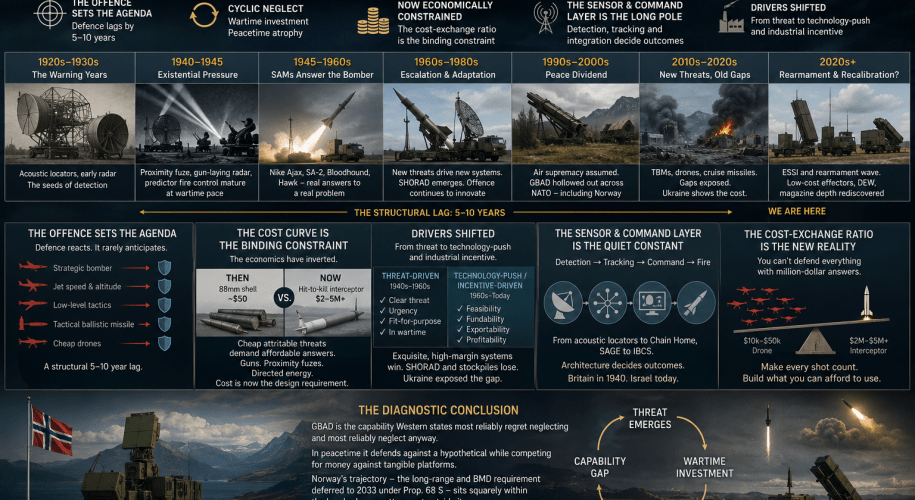
The Nordic region—Sweden, Finland, Norway, and Denmark—has rapidly modernized and expanded its ground-based air defense (GBAD) capabilities in response to heightened security concerns, especially following Russia’s full-scale invasion of Ukraine and the subsequent accession of Finland and Sweden to NATO. Using the mass, mix, maneuver, and integration framework, this article evaluates how these countries’ GBADs collectively fare, with a focus on Sweden’s latest acquisition of German IRIS-T SLM systems. Continue reading The Nordic Norm of Ground-Based Air Defenses: Mass, Mix, Maneuver, and Integration

Air Defense Systems: Combat Performance vs. Economic Reality
Air defense systems face unsustainable cost asymmetries that favor attackers 10-100:1, but recent combat data reveals significant performance variations that inform strategic investment decisions. IRIS-T SL delivers the best cost-effectiveness with Continue reading Air Defense Systems: Combat Performance vs. Economic Reality
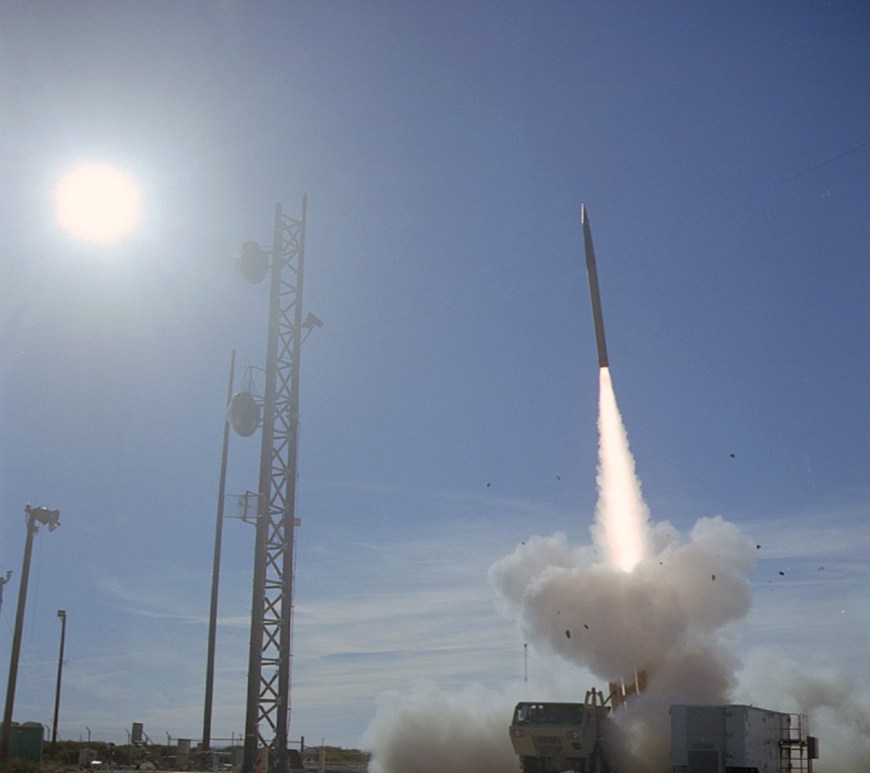
THAAD and ARROW vs. PATRIOT and SAMP/T
The world’s most sophisticated missile defense systems tell a story that extends far beyond their technical specifications. THAAD, Arrow, PATRIOT, and SAMP/T represent four distinct approaches to the same existential challenge: how to defend against increasingly sophisticated missile threats while navigating the complex realities of alliance politics, industrial sovereignty, and strategic deterrence. Continue reading THAAD and ARROW vs. PATRIOT and SAMP/T

Sky Sabre Air Defense System
Britain’s SkySabre air defense system represents a quantum leap in protecting airspace against modern threats, replacing Cold War-era technology with a sophisticated network capable of simultaneously engaging two dozen targets at supersonic speeds. This advanced ground-based system has already proven its worth in NATO deployments and secured the largest defense export contract in UK history, positioning Britain as a leader in medium-range air defense technology. Continue reading Sky Sabre Air Defense System
 Sticky post
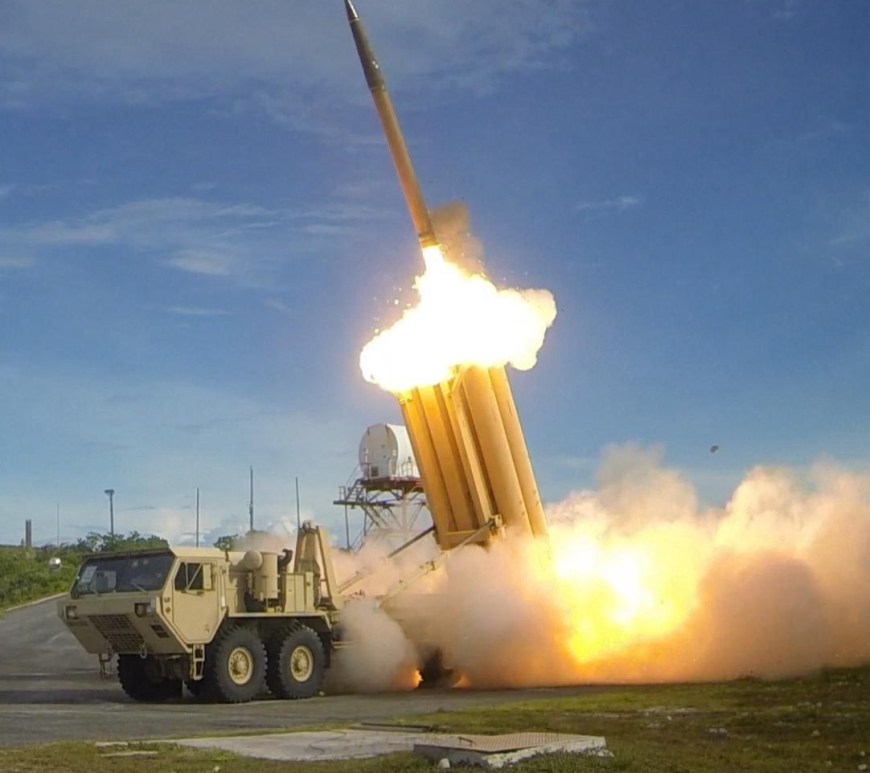
THAAD vs. Arrow: Advanced Missile Defense Showdown
Two cutting-edge missile defense systems demonstrate complementary approaches to countering ballistic missile threats, with THAAD excelling in mobile deployment and Arrow leading in layered integration and combat experience. Continue reading THAAD vs. Arrow: Advanced Missile Defense Showdown

European views on the Potential for Conventional War and the Need for Ground Based Air Defenses, 2000–2025
Eastern European countries saw the Russian threat coming and consistently documented this in official documents from the early 2000s. Western European powers were overly optimistic and had to dramatically correct course, first in 2014 and then sharply in 2022. Continue reading European views on the Potential for Conventional War and the Need for Ground Based Air Defenses, 2000–2025
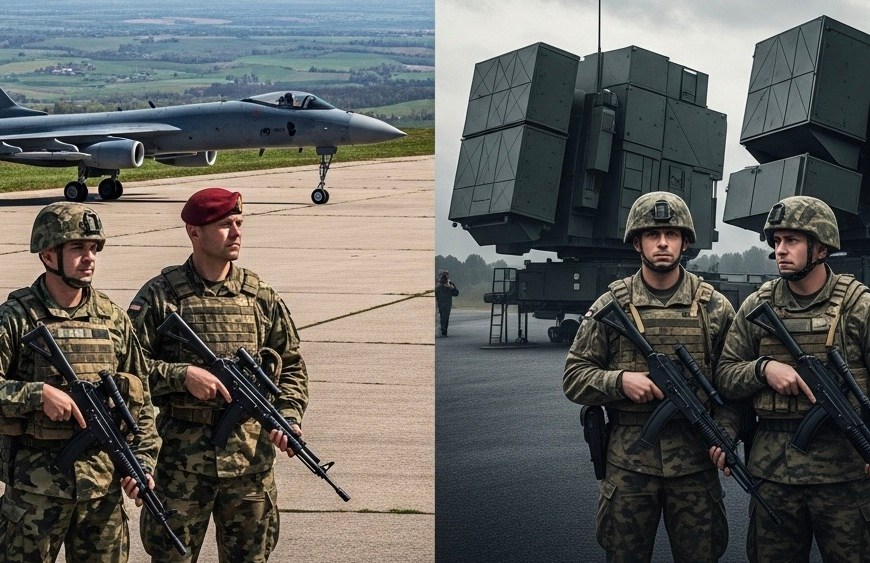
Europeiske NATO-staters dokumenterte synspunkter på potensialet for konvensjonell krig og behovet for luftvern i perioden 2000-2025
Østeuropeiske allierte hadde rett om Russland hele tiden. Vesteuropeere våknet først i 2014, og mange ikke før 2022. Kort oppsummert: Østeuropeiske land så den russiske trusselen komme og dokumenterte dette konsekvent gjennom offisielle dokumenter fra tidlig 2000-tall. Vesteuropeiske makter var for optimistiske og måtte korrigere kursen dramatisk, først i 2014 og deretter kraftig i 2022. Bakkebasert luftvern gikk fra å være en nedprioritert kapabilitet til … Continue reading Europeiske NATO-staters dokumenterte synspunkter på potensialet for konvensjonell krig og behovet for luftvern i perioden 2000-2025

Omfattende analyse av moderne luftvernarkitektur: Fem kritiske faktorer for forbedret kapasitet
Moderne luftvern krever integrering av fem kritiske faktorer: distribuerte sensornettverk, lagdelte kinetiske effektorer, rettede høyenergi-våpen, integrerte kommandosystemer og passive forsvarstiltak. Denne analysen undersøker de tekniske spesifikasjonene, operasjonelle kravene, strategiske implikasjonene og praktisk implementering av omfattende luftvern i et moderne trusselbilde. Continue reading Omfattende analyse av moderne luftvernarkitektur: Fem kritiske faktorer for forbedret kapasitet
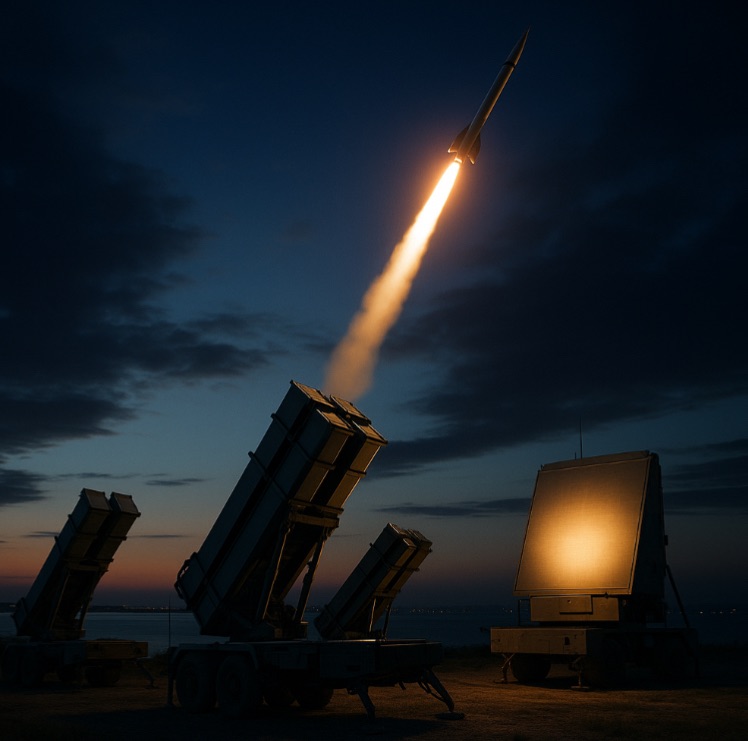
Advanced Western Air Defense Systems: Patriot, THAAD, SAMP/T, and More
This article explores the most advanced Western air defense systems in service today—such as the Patriot, THAAD, SAMP/T, and Arrow platforms—and how they fit into the broader architecture of integrated missile defense across NATO and its partners. Continue reading Advanced Western Air Defense Systems: Patriot, THAAD, SAMP/T, and More
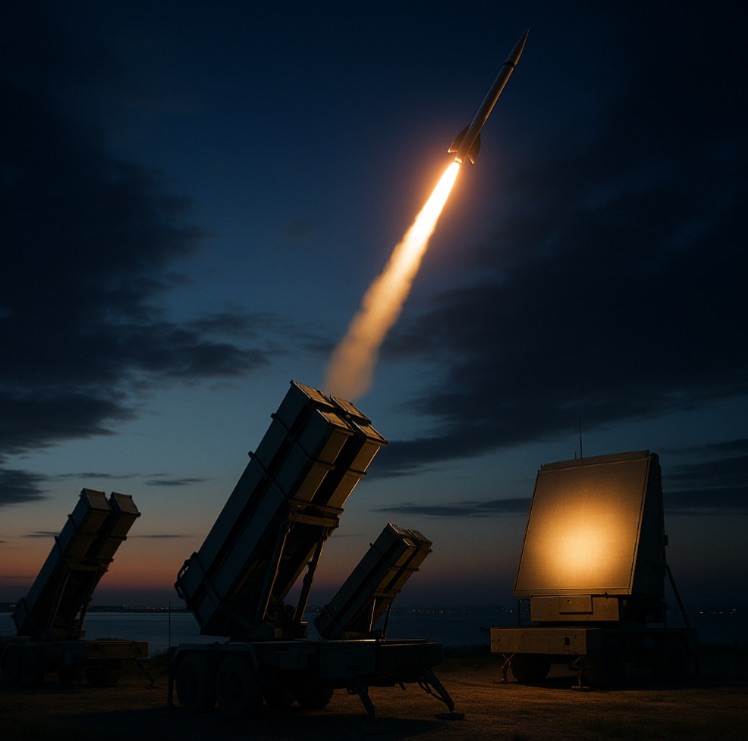
The $100 Billion Shield: How Advanced Air Defense Systems Counter Modern Threats
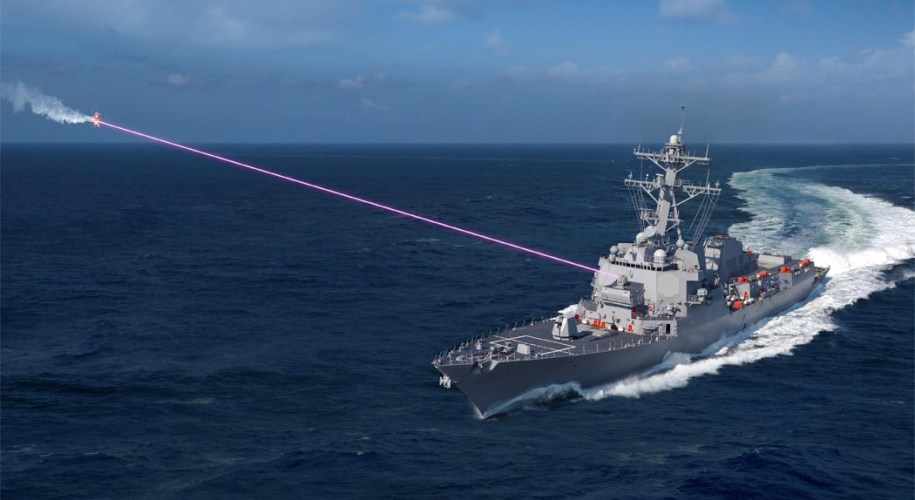
Executive Summary Western nations have invested over $100 billion in advanced air defense systems that can intercept threats at ranges exceeding 200 kilometers. These systems, including the combat-proven Patriot, THAAD, and emerging laser weapons, form an integrated defensive network protecting millions of citizens and critical infrastructure. As hypersonic missiles and drone swarms emerge as new threats, NATO members are accelerating development of AI-enhanced detection systems … Continue reading The $100 Billion Shield: How Advanced Air Defense Systems Counter Modern Threats

Follow this blog on Bluesky
Follow us on Bluesky @norskluftvern. Continue reading Follow this blog on Bluesky
