
 Sticky post
Sveriges luftvern: En systematisk oppbygging lag for lag
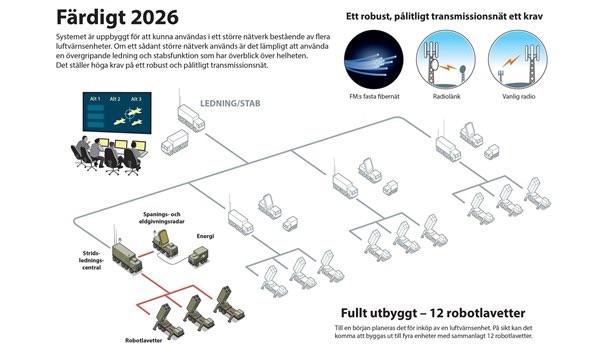
Denne analysen dokumenterer den svenske luftvernoppbyggingen fra 2021 til i dag, med utgangspunkt i offentlig tilgjengelig materiale fra Försvarsmakten, FMV og den svenske regjering. Formålet er å kartlegge hva Sverige faktisk har besluttet, på hvilke premisser beslutningene ble fattet, og hvilken struktur som har vokst frem. Analysen er deskriptiv og gjør ingen vurderinger av systemvalg eller anskaffelsesstrategi. Bakgrunn: Fra nedbygging til gjenoppbygging Ikke siden andre … Continue reading Sveriges luftvern: En systematisk oppbygging lag for lag

 Sticky post
Mønsteret bekreftes: Hvorfor langtrekkende luftvern utsettes — igjen
En analyse av de underliggende rotårsakene til utsettelsen av Norges ballistiske missilforsvar. Continue reading Mønsteret bekreftes: Hvorfor langtrekkende luftvern utsettes — igjen
 Sticky post
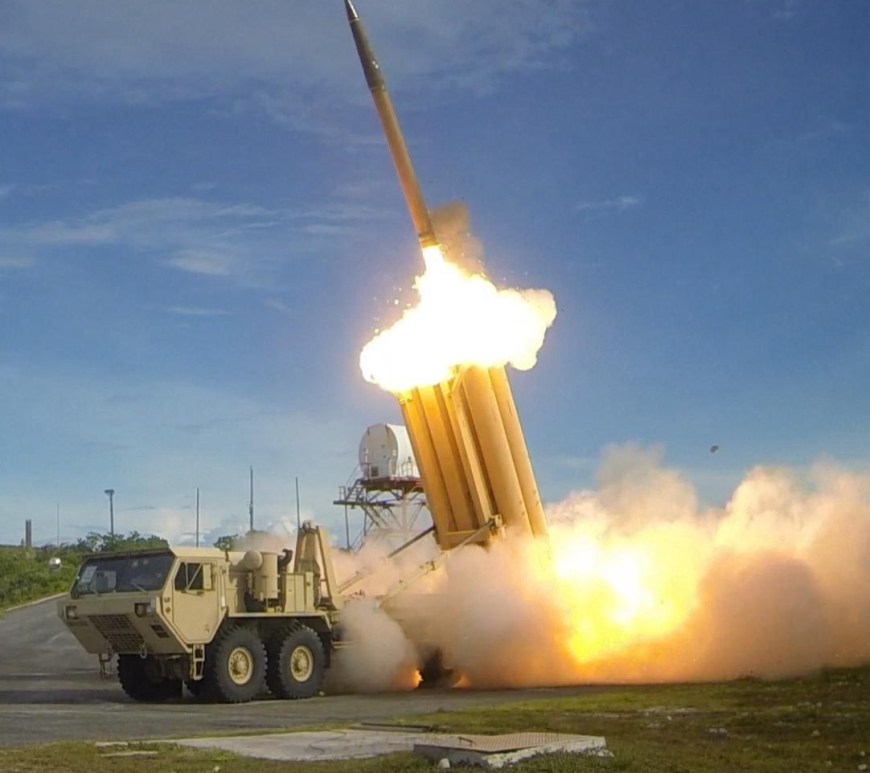
THAAD vs. Arrow: Advanced Missile Defense Showdown
Two cutting-edge missile defense systems demonstrate complementary approaches to countering ballistic missile threats, with THAAD excelling in mobile deployment and Arrow leading in layered integration and combat experience. Continue reading THAAD vs. Arrow: Advanced Missile Defense Showdown
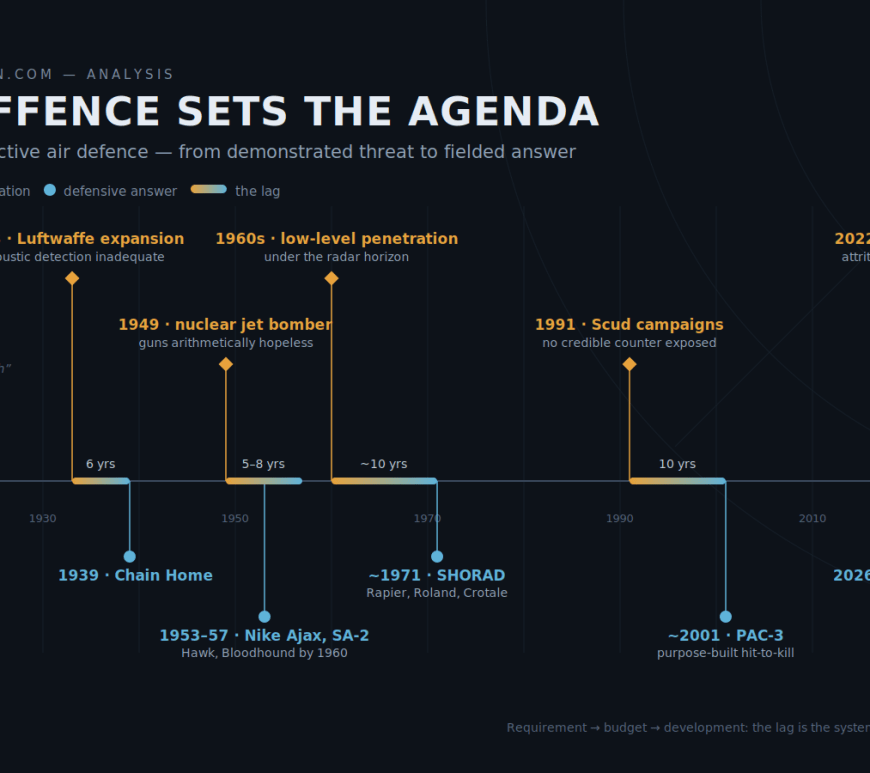
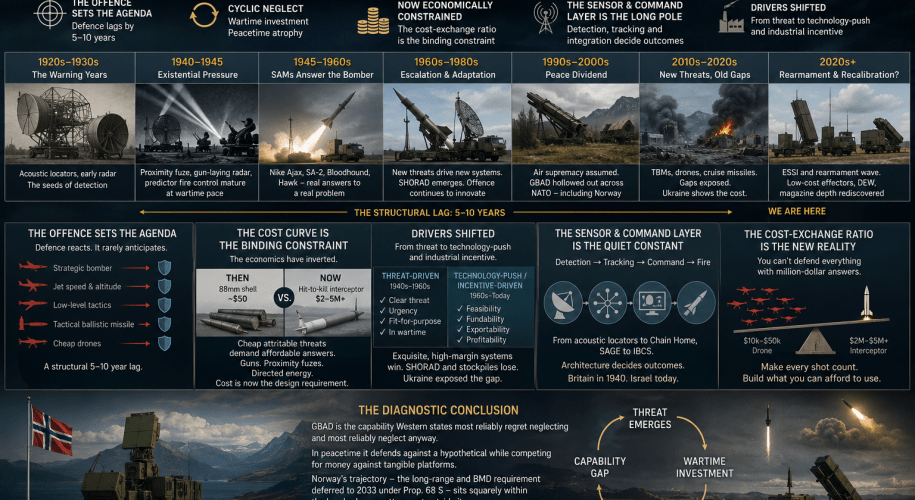
The Offence Sets the Agenda — A Century of Reactive Air Defence
Across a hundred years of Western ground-based air defence, there is scarcely a single case of a defensive capability genuinely anticipating a threat. The pattern is consistent: the offence innovates, demonstrates the innovation in combat, and the defence answers five to ten years later. This lag is structural — rooted in requirement processes, budget cycles, and development timelines — and it should shape how every … Continue reading The Offence Sets the Agenda — A Century of Reactive Air Defence
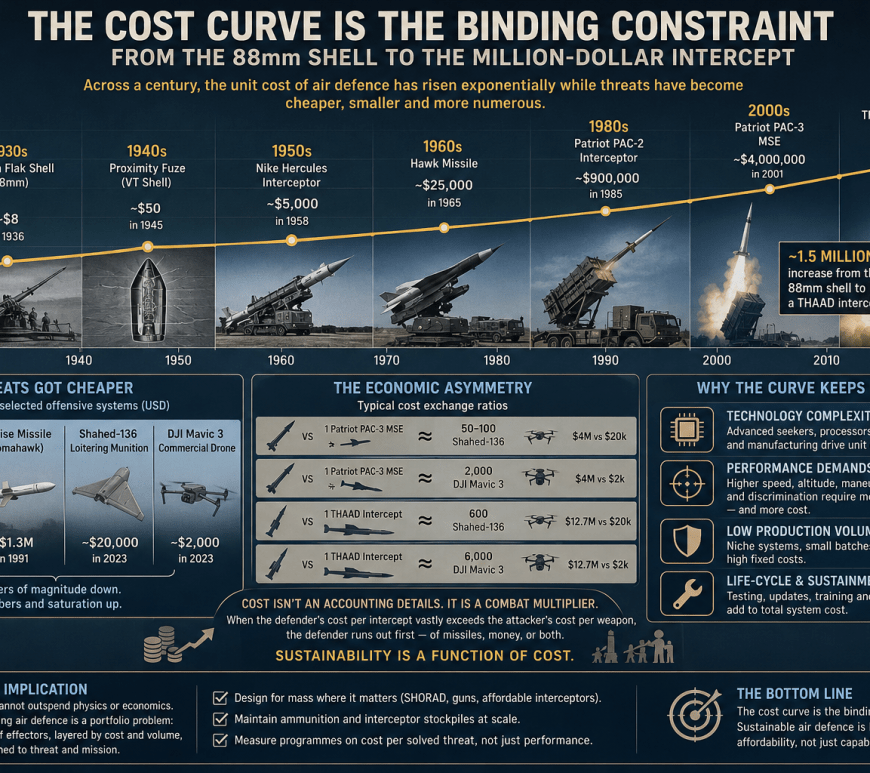
The Cost Curve Is the Binding Constraint — From the 88mm Shell to the Million-Dollar Intercept
For seventy years, the rising cost of air defence effectors was tolerable because the targets were themselves expensive, crewed, and scarce. The cheap attritable drone inverted that equation, and the industry is now scrambling back down a cost curve it spent decades climbing. The technically hardest problem — hitting the target — was substantially solved a generation ago. The economically hardest problem — hitting it … Continue reading The Cost Curve Is the Binding Constraint — From the 88mm Shell to the Million-Dollar Intercept
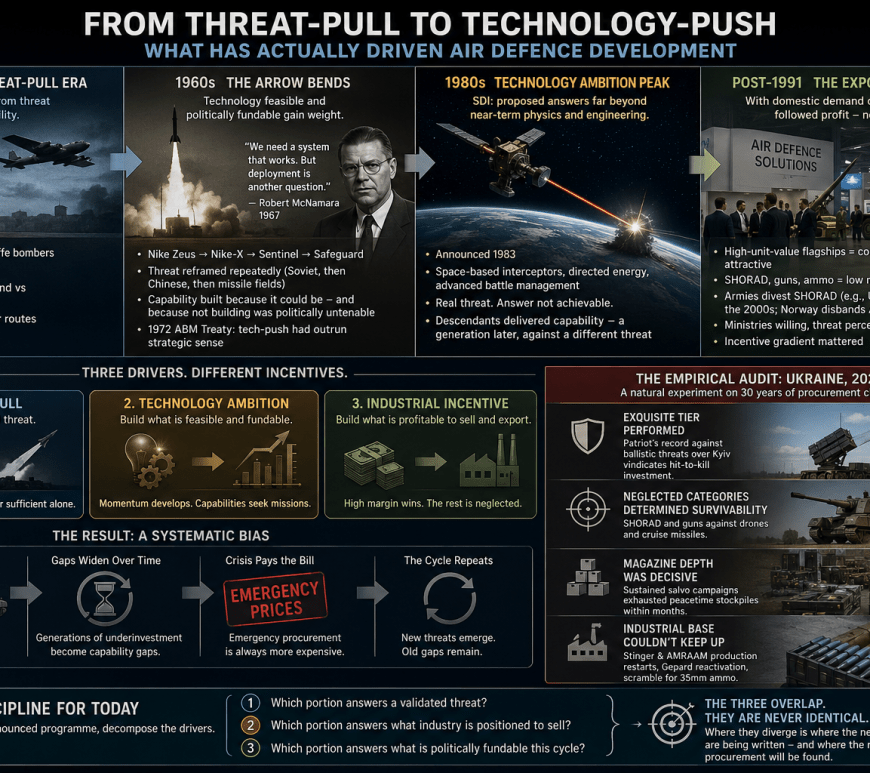
From Threat-Pull to Technology-Push — What Has Actually Driven Air Defence Development
Wartime and early Cold War air defence programmes were overwhelmingly driven by validated threats. From the 1960s onward, the record shows two other drivers gaining weight: technological ambition — what was feasible and fundable — and industrial incentive — what was profitable to build and export. The result was a systematic bias toward exquisite, high-margin systems and a systematic neglect of unglamorous SHORAD and stockpile … Continue reading From Threat-Pull to Technology-Push — What Has Actually Driven Air Defence Development

The Quiet Constant — Sensors, Command, and the Network Layer
Across a century, the decisive variable in air defence has rarely been the effector. From acoustic mirrors to Chain Home to SAGE to today’s IBCS-class integration efforts, the history of the discipline is substantially a history of detection, tracking, and fire coordination. Nations that invested in the network layer — Britain in 1940, Israel today — have consistently outperformed nations that bought launchers without architecture. … Continue reading The Quiet Constant — Sensors, Command, and the Network Layer

The Capability We Reliably Regret — GBAD Neglect as a Structural Phenomenon, and Norway’s Place in the Pattern
Ground-based air defence is the capability Western states most reliably regret neglecting and most reliably neglect anyway. The mechanism is structural: in peacetime, GBAD defends against a hypothetical while competing for funding against tangible platforms with service constituencies, industrial footprints, and visible peacetime utility. Norway’s trajectory — the dismantling of the 2000s, the partial rebuilding from 2017, and the government’s proposed deferral of the long-range … Continue reading The Capability We Reliably Regret — GBAD Neglect as a Structural Phenomenon, and Norway’s Place in the Pattern

Golden Dome: What It Would Cost to Protect All of America From Missiles — and Why the Answer Matters for Everyone Else
An analysis of the largest air and missile defence undertaking ever attempted, read through the discipline this site applies to every system: what the interceptors cost, who builds them, and what the arithmetic permits Two statements were made in July 2026, ten days apart, by people at opposite ends of the air defence market. Neither referenced the other. Together they define where the entire field … Continue reading Golden Dome: What It Would Cost to Protect All of America From Missiles — and Why the Answer Matters for Everyone Else

A Decade at the Oars Without Rowing — Norway’s long-range air defence requirement
The world spent this summer learning a Norwegian word. At every Norway match of the World Cup, thousands of supporters sat down in perfect unison and mimicked the movement of Viking oars to the thunderous cry of “Ro!” — a phenomenon that swept across North American stadiums, took over social media, and spread from elevators in Boston and Times Square to a New York Mets … Continue reading A Decade at the Oars Without Rowing — Norway’s long-range air defence requirement
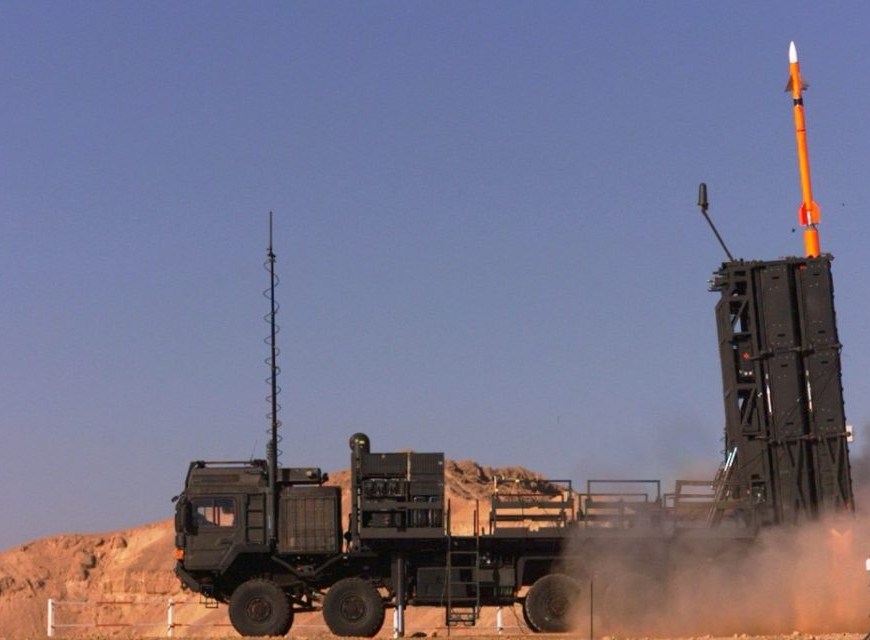
Building Upward: Czechia’s Air Defence Programme and the Question of Sequencing
How a mid-sized NATO state built a short-range layer first, and what happened when it reached for the next one Czech air defence reached international headlines on 14 July 2026, when Foreign Minister Petr Macinka, standing beside Israeli Foreign Minister Gideon Sa’ar in Tel Aviv, said Prague was in talks with Israeli firms about air defence systems. The Czechs, he said, were looking at Spyder, … Continue reading Building Upward: Czechia’s Air Defence Programme and the Question of Sequencing
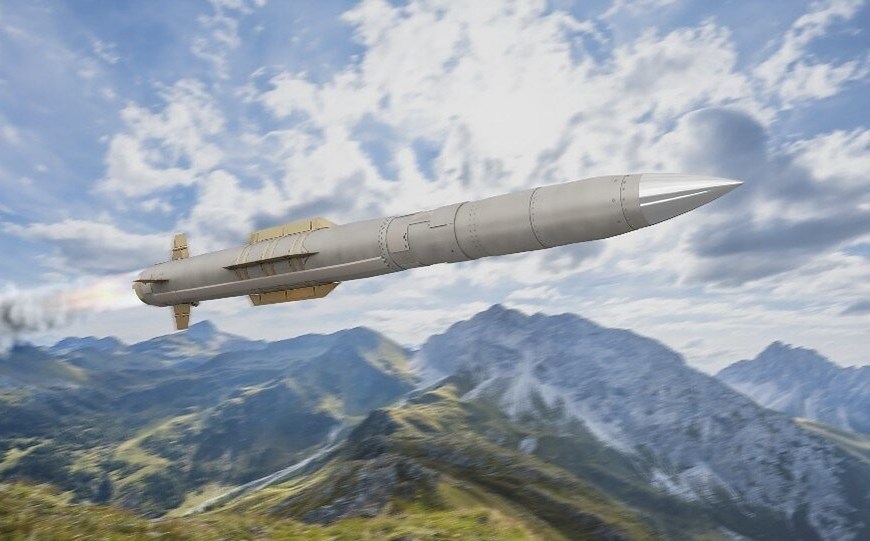
What Would PAC-3 ACE Do to the Cost of Patriot?
A follow-on to What does the Patriot Air and Missile Defense System cost? (April 2024) When we published our cost breakdown of the Patriot Air and Missile Defense System in April 2024, the arithmetic was uncomfortable but stable. A battery cost roughly $360 million bare. The magazine cost more than the fire unit. A four-launcher battery loaded with 24 PAC-3 MSE and eight GEM-T came … Continue reading What Would PAC-3 ACE Do to the Cost of Patriot?

The Anti-Ballistic Missile Coalition: Europe’s Third Framework — And What Membership Means for a Country Without Ballistic Missile Defense
An analysis of the July 13 Paris declaration, the Freya project at its center, and the position of founding members that have yet to make national BMD decisions Introduction On July 13, 2026, on the sidelines of the Coalition of the Willing summit in Paris, ten countries — Denmark, France, Germany, Italy, the Netherlands, Norway, Spain, Sweden, Ukraine and the United Kingdom — announced the … Continue reading The Anti-Ballistic Missile Coalition: Europe’s Third Framework — And What Membership Means for a Country Without Ballistic Missile Defense
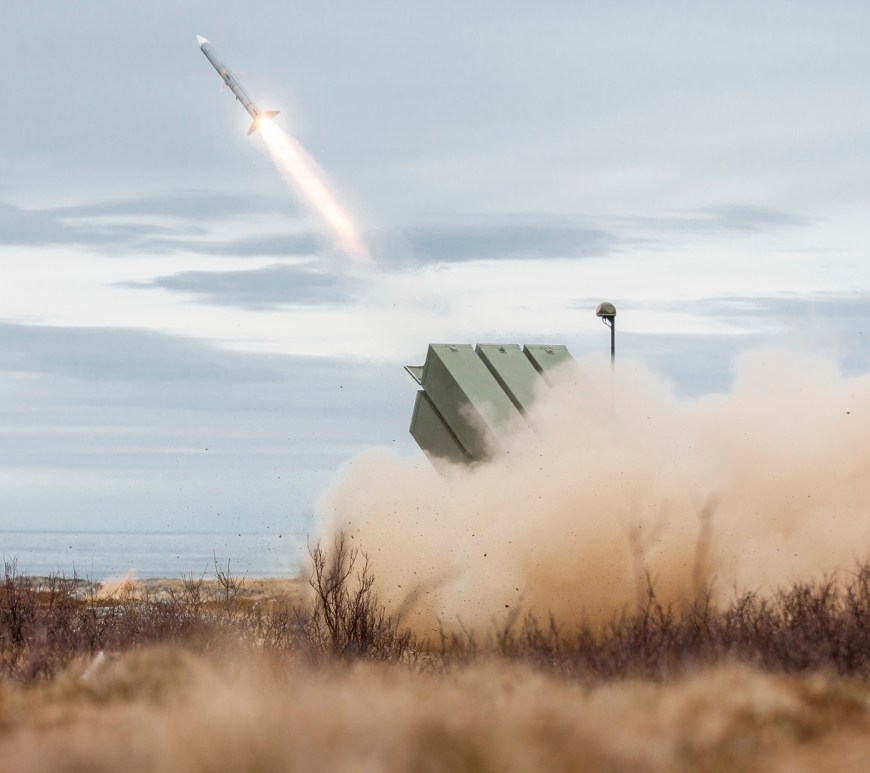
Norges inntreden i EDIP – hva betyr det for bakkebasert luftvern?
Nyheten er fersk: regjeringen setter av 29 millioner euro – rundt 315 millioner kroner hentet fra Nansen-programmet – som norsk medlemskontingent i EDIP for perioden 2026–2028. Det er første gang regjeringen setter av penger til å være med i EDIP, og forsvarsminister Tore O. Sandvik betegner deltakelsen som «et viktig ledd i regjeringens arbeid for å styrke ukrainsk tilgang på kritisk forsvarsmateriell.» Det er en … Continue reading Norges inntreden i EDIP – hva betyr det for bakkebasert luftvern?

Hva er «nok luftvern»?
Et forsøk på en strukturell målestokk Påstanden «man kan aldri ha nok luftvern» kommer noen ganger opp i debatten, og dermed går lufta litt ut av ballongen – og med god grunn. Dette reflekterer en grunnleggende asymmetri: angriperen velger tid, sted og akse, mens forsvareren må dekke alt som er verdt å forsvare, hele tiden. Matematisk er ligningen umulig. Men retorisk er mantraet også en … Continue reading Hva er «nok luftvern»?

The Ground Wins: 21st-Century Aircraft Attrition and the Empirical Case for Ground-Based Air Defence
The 21st-century record of aircraft attrition tells a story that should be uncomfortable for air forces and reassuring for air defence advocates. Over 380 crewed aircraft have been shot down since 2000. Approximately 95–98% of those kills were made by ground-based systems, spanning every layer from man-portable missiles to strategic-level SAM batteries. Continue reading The Ground Wins: 21st-Century Aircraft Attrition and the Empirical Case for Ground-Based Air Defence

Soft Kill: Non-Kinetic Counter-Drone Systems
Electronic Warfare, Interceptor Drones, High-Power Microwaves, and the Invisible Layer of Counter-UAS Continue reading Soft Kill: Non-Kinetic Counter-Drone Systems
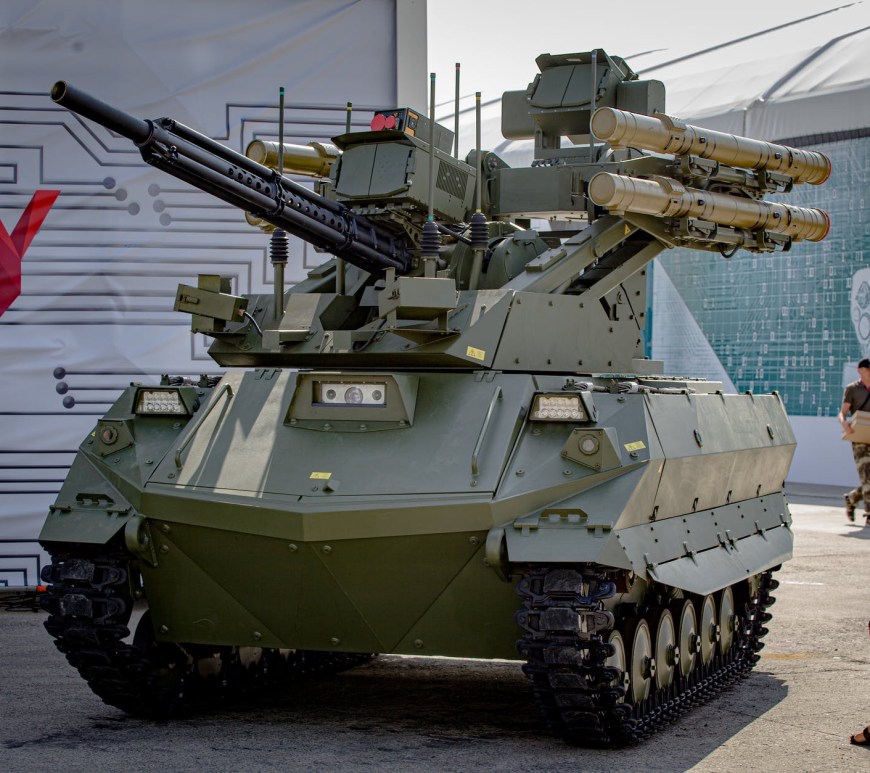
American vs. European Short Range Air Defense
This is a Critical Cost Analysis of U.S. and European SHORAD systems. Continue reading American vs. European Short Range Air Defense
The Optimal Western Air and Missile Defense Architecture
What the best layered IAMD system money can buy would actually look like — and why no one has built it Continue reading The Optimal Western Air and Missile Defense Architecture

The Complete Guide to Western Air and Missile Defense
A structured reading guide to everything published on norskluftvern.com — from individual system deep-dives to strategic synthesis, organized by layer, theme, and the questions that matter most for European procurement. Continue reading The Complete Guide to Western Air and Missile Defense
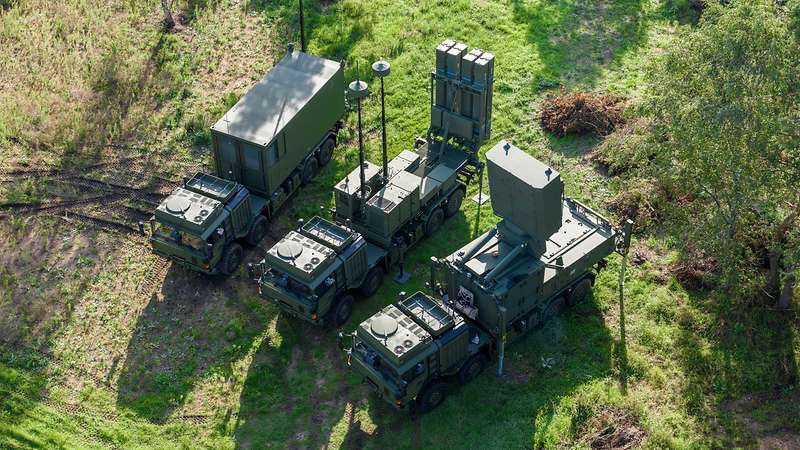
IRIS-T SL Air Defense System: Cost Analysis and Performance Comparison
The IRIS-T SL family commands €0.43–4.4 million per interceptor depending on variant, positioning it as Europe’s most cost-effective combat-proven medium-range air defense system. Continue reading IRIS-T SL Air Defense System: Cost Analysis and Performance Comparison
