
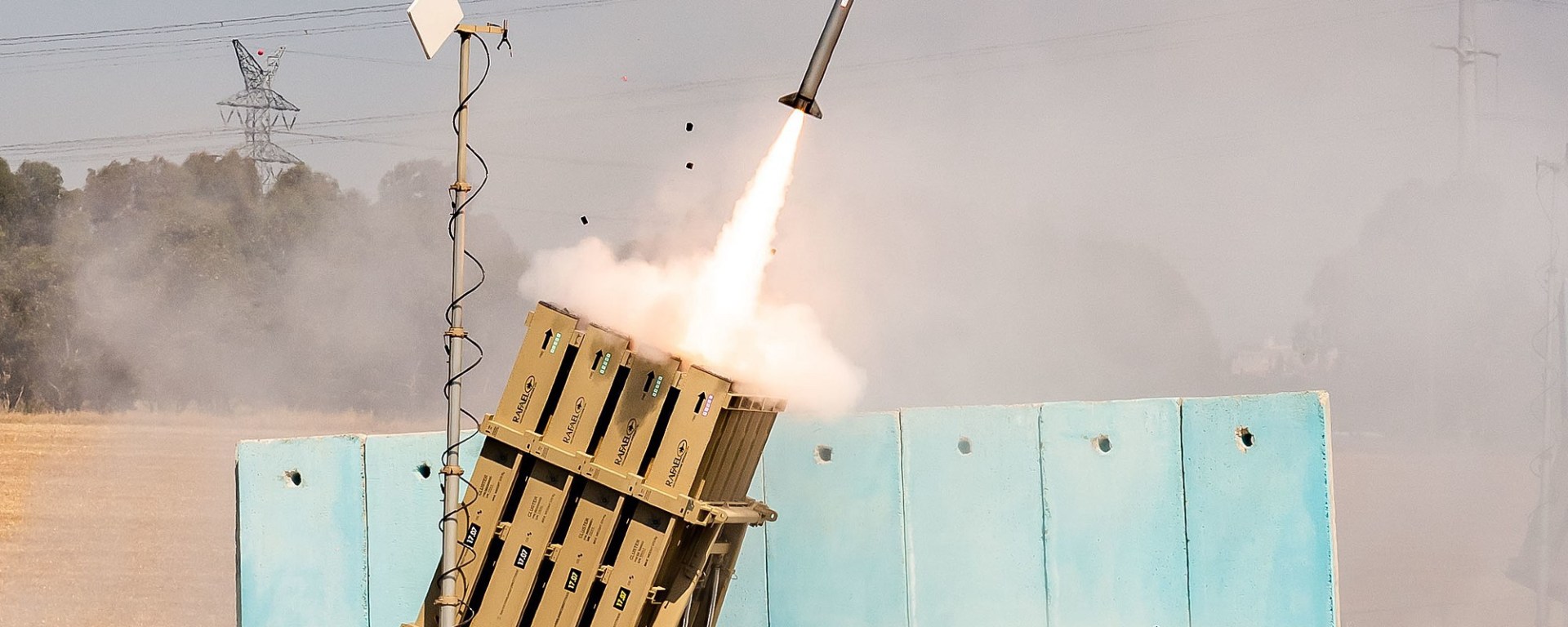
Precision Defense Despite Premium Costs
Iron Dome interceptors cost $40,000-50,000 each, commanding premium pricing that customers willingly pay for proven 90%+ success rates and unmatched area coverage. Despite costing 400-500% more per engagement than C-RAM Phalanx alternatives, Iron Dome’s 4,000+ successful interceptions and 70-kilometer range provide strategic advantages that justify its market dominance. The system’s ability to selectively engage only threats to populated areas, combined with its exceptional combat record, makes it the gold standard for short-range missile defense. Iron Dome represents a paradigm shift from volume-based defense to precision engagement, offering cost-effective protection through intelligent target selection and superior success rates. The system’s proven ability to defend civilian populations while conserving expensive interceptors has created a new category of cost-effective air defense that competitors struggle to match.
Cost analysis reveals strategic value despite premium pricing
Iron Dome interceptors cost $40,000-50,000 each for standard production, with operational costs reaching $100,000-150,000 per successful interception when including radar power, personnel, and fuel consumption. Emergency production during surge periods can increase costs to $60,000 per missile, while expedited delivery during conflicts has reached $150,000 per interceptor.
C-RAM Phalanx systems cost $8,100 per engagement, firing 300 rounds at $27 each during typical rocket and mortar attacks. While significantly cheaper per engagement, C-RAM’s 70% success rate and 2-kilometer range limit its effectiveness to point defense applications. The system’s $8-18 million unit cost appears attractive until considering its limited coverage area.
Complete system costs favor Iron Dome’s comprehensive approach. A complete Iron Dome battery costs $70-95 million, providing 100-150 square kilometers of coverage. C-RAM Phalanx units cost $8-18 million each but protect only 1.3 square kilometers, requiring multiple systems for area defense that quickly exceeds Iron Dome’s total cost.
Combat effectiveness justifies premium investment
Iron Dome’s 4,000+ successful interceptions since 2011 demonstrate unmatched operational effectiveness. The system achieved 90% success rates during the 2014 Gaza conflict with 735 successful interceptions, while maintaining 90-97% effectiveness during recent conflicts despite facing increasingly sophisticated threats.
Recent combat performance validates design approach: During the October 2023 Hamas attack, Iron Dome successfully engaged thousands of rockets despite being overwhelmed by the initial 5,000+ rocket barrage. The system’s selective engagement capability conserved interceptors by only targeting threats to populated areas, maximizing cost-effectiveness during sustained attacks.
Technical specifications exceed competitor capabilities: Iron Dome’s 70-kilometer range provides 50-75 times larger coverage area than C-RAM’s 2-kilometer capability. The system’s all-weather effectiveness and multi-threat capability against rockets, mortars, artillery, and drones provide comprehensive protection unavailable in single-purpose systems.
International market success demonstrates commercial viability
Major international contracts validate Iron Dome’s value proposition: Cyprus paid €104 million for one battery plus five-year support in 2025, while Romania selected Iron Dome for its SHORAD program. The US Army’s $373 million investment in two batteries demonstrates American confidence in the system’s capabilities.
Rafael Advanced Defense Systems achieved record performance with $4.8 billion in 2024 sales and $17.5 billion in order backlog. The company’s 64% increase in net profit demonstrates efficient production that maintains competitive pricing while supporting continued innovation.
Manufacturing partnerships enable cost control: The joint Israeli-American production model with Raytheon provides 70% US content across 26 states, ensuring supply chain security while spreading development costs. The East Camden, Arkansas facility produces Tamir interceptors for American forces and allies.
Strategic advantages justify market positioning
Iron Dome fills critical capability gaps in modern air defense architectures. Traditional systems like C-RAM provide point defense, while Iron Dome’s area coverage and selective engagement create tactical advantages that justify premium pricing.
Twenty-year lifecycle costs for Iron Dome systems benefit from the system’s selective engagement philosophy and proven reliability. Annual maintenance costs of $55 million across Israel’s entire fleet demonstrate efficient operational expenses, while mid-life upgrades costing $12 million extend service life by eight years.
Integration capabilities enable Iron Dome to work alongside existing radar and command systems, providing seamless incorporation into national defense architectures. The system’s mobility and rapid deployment capability add tactical flexibility unavailable in fixed installations.
Future developments enhance value proposition
Iron Beam laser integration will revolutionize cost-effectiveness by providing $2-5 direct expenses per interception versus Iron Dome’s $40,000-50,000 costs. The $500 million investment in Iron Beam production demonstrates Israel’s commitment to maintaining technological superiority while reducing operational costs.
Continuous innovation programs address emerging threats through improved radar discrimination, enhanced interceptor capabilities, and integration with next-generation command systems. The system’s proven ability to adapt to evolving threats ensures continued relevance in changing threat environments.
Export expansion opportunities grow as regional conflicts demonstrate the value of proven air defense systems. The system’s combat effectiveness and American partnership provide credibility that enables broader international sales despite premium pricing.
Cost-benefit analysis supports customer decisions
Iron Dome’s market success despite premium pricing stems from its unique combination of proven effectiveness, strategic coverage, and intelligent engagement logic. The system’s ability to protect large areas while conserving expensive interceptors through selective targeting provides cost-effectiveness that justifies higher per-unit costs.
Customer value propositions include 90%+ success rates, 70-kilometer range, 100-150 square kilometer coverage, and proven combat effectiveness across 4,000+ engagements. These capabilities justify premium pricing for customers prioritizing effectiveness over initial costs.
Strategic importance of civilian protection makes Iron Dome’s cost-effectiveness calculation different from traditional military systems. The system’s proven ability to maintain normal economic activity during conflicts provides economic benefits that far exceed its operational costs. Iron Dome’s dominance in the short-range missile defense market demonstrates that customers value proven effectiveness over lower initial costs. The system’s exceptional combat record, comprehensive capabilities, and continuous innovation justify premium pricing while establishing new standards for cost-effective air defense through precision engagement and intelligent target selection.
AI-assisted article.

