
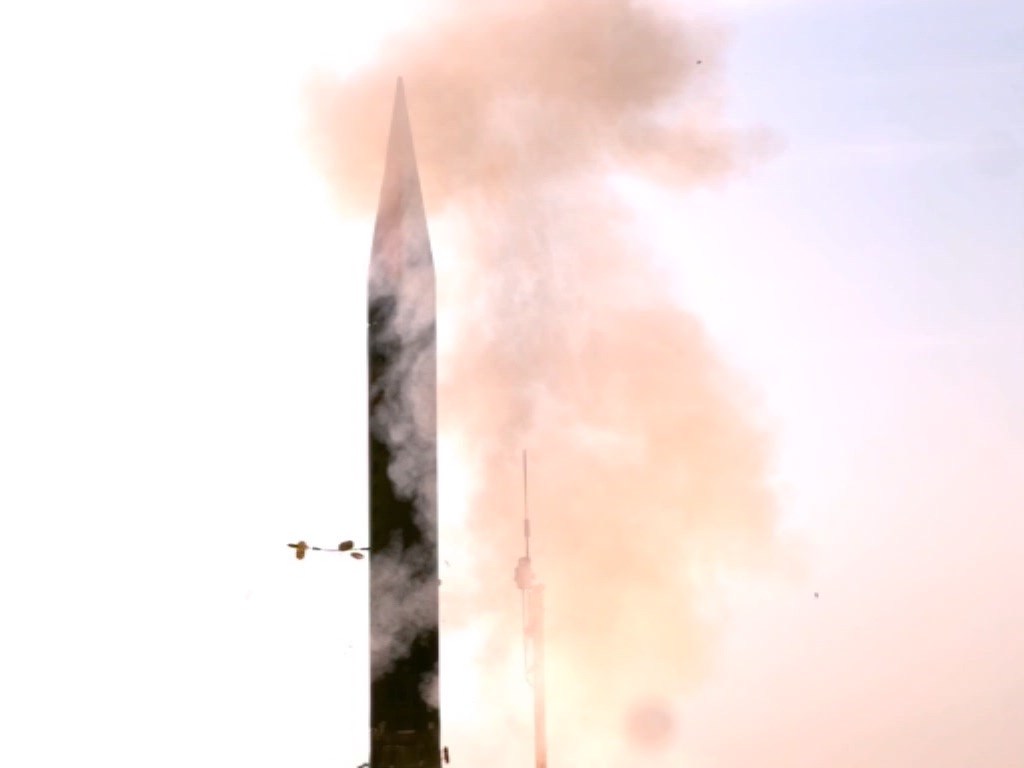
Exo-Atmospheric Defense with Competitive Pricing
Arrow-3 interceptors cost approximately $4 million each, making them 86% less expensive than competing SM-3 Block IIA systems while offering superior range and proven combat effectiveness. This significant cost advantage, combined with recent combat successes defending Israel against Iranian ballistic missile attacks, positions Arrow-3 as the most cost-effective exo-atmospheric defense system available for export. Germany’s $3.5 billion procurement represents Israel’s largest defense export and validates international confidence in the system’s capabilities.
Arrow-3 represents a paradigm shift in high-altitude missile defense, offering strategic-level capabilities at tactical-level pricing. The system’s ability to intercept targets at ranges exceeding 2,400 kilometers while maintaining combat-proven reliability makes it attractive to nations seeking ICBM defense without the premium costs of American alternatives.
Cost analysis reveals significant advantages
Arrow-3 interceptors cost $4 million each based on recent Israeli defense budget allocations and industry analysis, though some estimates suggest costs may reach $30-35 million when including full development expenses. This pricing represents exceptional value compared to competing systems, with complete battery costs estimated at $170 million including launchers, radar, and command systems.
SM-3 Block IIA interceptors cost $27.9 million each, making them 600% more expensive than Arrow-3. While both systems offer exo-atmospheric interception capabilities, Arrow-3’s superior range (2,400 km vs. 1,200 km) and combat-proven performance make the cost differential difficult to justify for most customers.
David’s Sling interceptors cost $1 million each, making them 75% less expensive than Arrow-3. However, David’s Sling’s limited range (40-300 km) and atmospheric-only interception capability make it unsuitable for the strategic ballistic missile threats that Arrow-3 was designed to counter.
Combat performance validates design approach
Arrow-3’s operational record demonstrates exceptional effectiveness since entering service. The system achieved its first operational interception in November 2023, successfully engaging a Houthi missile near Eilat. During major Iranian attacks in April and October 2024, Arrow-3 interceptors achieved what Israeli officials describe as “very high success rates” approaching 99% effectiveness in some scenarios.
Recent combat usage provides real-world validation: During a 12-day conflict period in 2024-2025, at least 34 Arrow-3 interceptors were used against various ballistic missile threats. The system’s ability to engage targets before their destination is known provides tactical advantages unavailable in other systems.
Technical specifications exceed competitor capabilities: Arrow-3’s 2,400-kilometer range surpasses SM-3 Block IIA’s advertised 1,200-kilometer capability, while its hypersonic speed and advanced maneuvering capabilities enable interception of sophisticated threats. The system’s anti-satellite capability, demonstrated through sensors that can pivot 90 degrees, provides additional strategic value.
International market success demonstrates commercial viability
Germany’s $3.5 billion Arrow-3 contract represents validation of the system’s export potential and competitive pricing. This deal opens European markets for Israeli defense technology and demonstrates NATO allies’ confidence in Arrow-3’s capabilities versus American alternatives.
Recent Israeli contracts show scaling production: A multi-billion shekel contract signed in December 2024 with Israel Aerospace Industries expands Arrow-3 production capacity to meet growing domestic and international demand. The U.S. has invested $1.2 billion in Arrow-3 research and development, with Boeing providing 40-50% of production content.
Manufacturing partnerships enable cost control: The joint Israeli-American production model spreads development costs across multiple customers while maintaining competitive pricing. Key components from Boeing, Stark Aerospace, and other American suppliers provide supply chain security while supporting competitive cost structures.
Strategic advantages justify market positioning
Arrow-3 occupies a unique market niche as the only exo-atmospheric interceptor available for export. American SM-3 systems face export restrictions that limit international sales, while other systems lack strategic-level capabilities.
Range superiority provides tactical advantages: Arrow-3’s 2,400-kilometer range enables interception of intermediate-range ballistic missiles and ICBMs at distances that provide multiple engagement opportunities. This capability is particularly valuable for smaller nations that need maximum defensive coverage.
Twenty-year lifecycle costs for Arrow-3 systems benefit from Israeli defense industry efficiency and American component supply chains. The system’s proven reliability and combat effectiveness reduce long-term sustainment costs compared to less mature alternatives.
Recent challenges highlight ongoing development needs
Operational challenges demonstrate system limits: A May 2025 failure to intercept a Houthi missile near Ben Gurion Airport highlighted the evolving threat environment. Houthi claims of deploying “Palestine-2” hypersonic missiles with Mach 16 speeds and stealth features indicate the ongoing arms race in missile technology.
Continuous improvement programs address emerging threats through Arrow-4 development and system upgrades. Israel’s commitment to maintaining technological superiority ensures Arrow-3’s continued relevance against evolving ballistic missile threats. Arrow-3’s combination of strategic-level capabilities, combat-proven performance, and competitive pricing makes it an attractive option for nations seeking exo-atmospheric defense without the premium costs of American systems. The system’s export success and growing international demand validate its position as a cost-effective solution for high-end missile defense requirements.
Image: United States Missile Defense Agency
AU-assisted article.

