
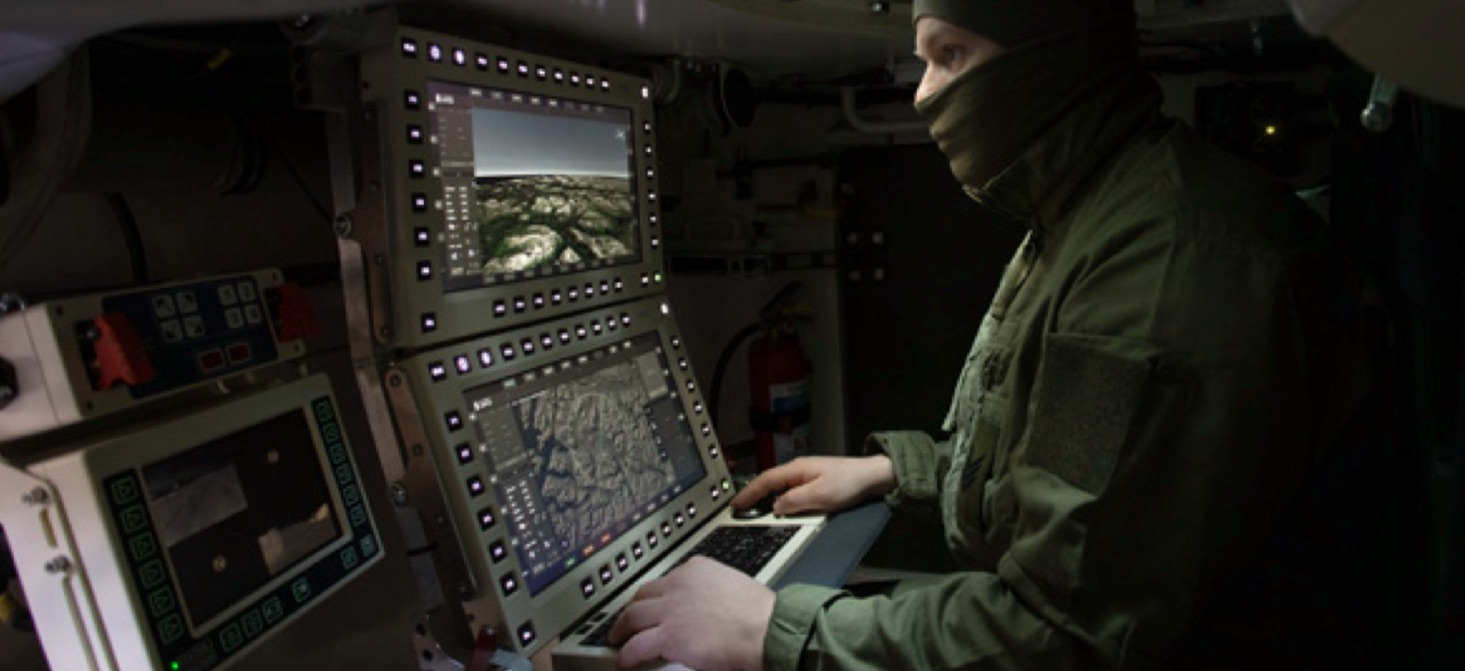
Air defence systems can be deployed to protect national sovereignty, critical infrastructure, and deployed military forces against a broad spectrum of aerial threats.
A comprehensive definition of air defence systems, however, requires an examination of several interconnected dimensions. Mission-based definitions focus on the operational role the systems are intended to fulfil, while target types specify the particular threats the systems are designed to counter. Range describes the operational coverage, and weapon technology reveals the technological solutions underlying engagement and protection. By combining these dimensions, military leaders and engineers can develop integrated air defence strategies that ensure every aspect of the airspace is covered, with the various systems complementing one another to address an increasingly complex threat environment.
This multifaceted approach provides a robust framework for evaluating, comparing, and implementing air defence systems so that they can be adapted at all times to meet both national requirements and international standards.
To understand and classify these systems, it is useful to examine them through several dimensions: mission, target types, ranges, and weapon technologies.
Mission
Air defence systems can be defined according to the mission they are designed to perform within an operational context. This approach focuses on how the system contributes to the overall air defence chain:
Area Defence:
Systems in this category are designed to protect a larger geographical area or an entire airspace. The mission involves early warning, tracking, and interception of incoming threats and often requires an integrated, layered defence structure with various systems working in concert.
Point Defence:
These systems are specifically intended to protect critical assets such as military bases, airfields, or communication infrastructure. The mission here is to provide a rapid and precise response within a confined area, where timing and accuracy are paramount.
Mobile Air Defence:
Systems mounted on mobile platforms that can be relocated according to the operational needs of ground forces. Their mission is to provide flexible and swift protection for moving operational units.
Theatre Missile Defence:
Specialised systems whose mission is to detect and neutralise threats from ballistic or cruise missiles. These systems are often integrated into a national or allied defence network to protect critical areas and forces against high-speed attacks.
It is important to note that while systems can be defined by their mission, it is not uncommon for a single system to be a part of several mission concepts within a layered defence.
Target Types
Target types refer to the specific aerial objects that the systems are developed to detect and engage. This dimension focuses on the physical and technical characteristics of the threat:
Manned Aircraft:
This includes fighter jets, bombers, transport aircraft, and helicopters. Systems designed to counter these must be capable of tracking fast-moving targets and often operate at relatively high altitudes.
Unmanned Aerial Vehicles (Drones):
With the increasing threat posed by drones, systems have been developed that possess the capability to detect, track, and, if necessary, neutralise small, low-flying targets.
Missiles:
This category encompasses ballistic missiles and cruise missiles, which have distinct attributes in terms of speed, trajectory, and manoeuvrability. Air defence systems aimed at missile threats typically require advanced sensors and long-range interception capabilities.
It is essential to understand that target types themselves can appear across multiple missions—a system designed for area defence, for example, may simultaneously encounter a mix of manned and unmanned threats.
Ranges
The range of an air defence system defines how far it can detect and engage targets, a dimension that affects both its technical specifications and operational planning:
Short Range (SHORAD):
Short-range systems are typically designed to protect a limited area, such as a specific installation or a point on the battlefield. They are characterised by rapid response and high precision, often relying on gun-based technology.
Medium Range:
These systems cover a larger area than SHORAD systems and are frequently used as an intermediate defence layer. They can handle both manned and unmanned threats at a moderate distance.
Long Range:
Long-range systems are designed to protect extensive geographical areas or to engage targets from a considerable distance, such as ballistic missiles. They are often integrated into national or allied missile defence networks.
By defining systems according to their range, the technology can be tailored to ensure that every segment of the airspace—from local to extreme distances—is adequately covered.
Weapon Technologies
Weapon technology is a central dimension in defining air defence systems, as it determines how systems can detect, track, and neutralise threats. Systems in this category are often divided into:
Gun Systems:
These systems utilise traditional projectile weapons, such as cannons and machine guns, and are particularly effective against low-flying threats at short range. They are frequently integrated into point defence missions.
Missile Systems:
Missile-based weapons are perhaps the most widely used technology in modern air defence. They can be subdivided into short-, medium-, and long-range variants, with each type optimised for different operational missions and engagement distances.
Hybrid Systems:
To enhance flexibility, some systems combine both gun and missile technology. This enables them to handle a wide array of threats with a single integrated platform.
Directed Energy Weapons:
A newer development in air defence is the use of directed energy, such as laser-based systems or high-energy microwaves. These systems offer extremely rapid response and have the potential to reduce the reliance on physical projectiles, although they are still in the process of development and implementation.
Conclusion
Defining air defence systems through these interconnected dimensions—mission, target types, range, and weapon technologies—provides a comprehensive framework for understanding their capabilities and roles. Mission-based definitions focus on the operational purpose of the systems; target types specify the threats they are designed to counter; range determines the extent of their operational coverage; and weapon technology reveals the methods by which they engage and neutralise adversaries.
By integrating these dimensions, military planners and engineers can develop robust and flexible air defence strategies that ensure full coverage of the airspace and a complementary synergy among different systems, thereby meeting the evolving complexities of modern threat environments while adhering to both national requirements and international standards.

