The Coming Revolution in Air Defense: How Drones and Directed Energy Are Forcing a Rethink

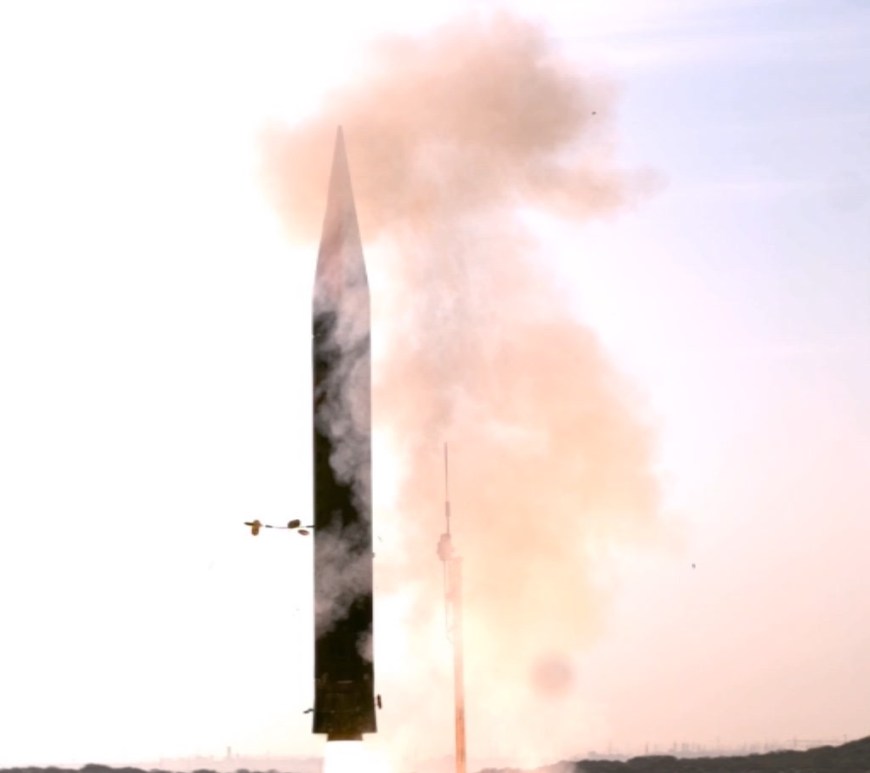
In recent years, the world of air defense has undergone a seismic shift. While traditional air defense systems remain crucial, a far more profound transformation is now underway—one propelled by the explosive growth of drones, skyrocketing costs for missile interceptors, and the looming promise of laser-based defenses. Continue reading The Coming Revolution in Air Defense: How Drones and Directed Energy Are Forcing a Rethink

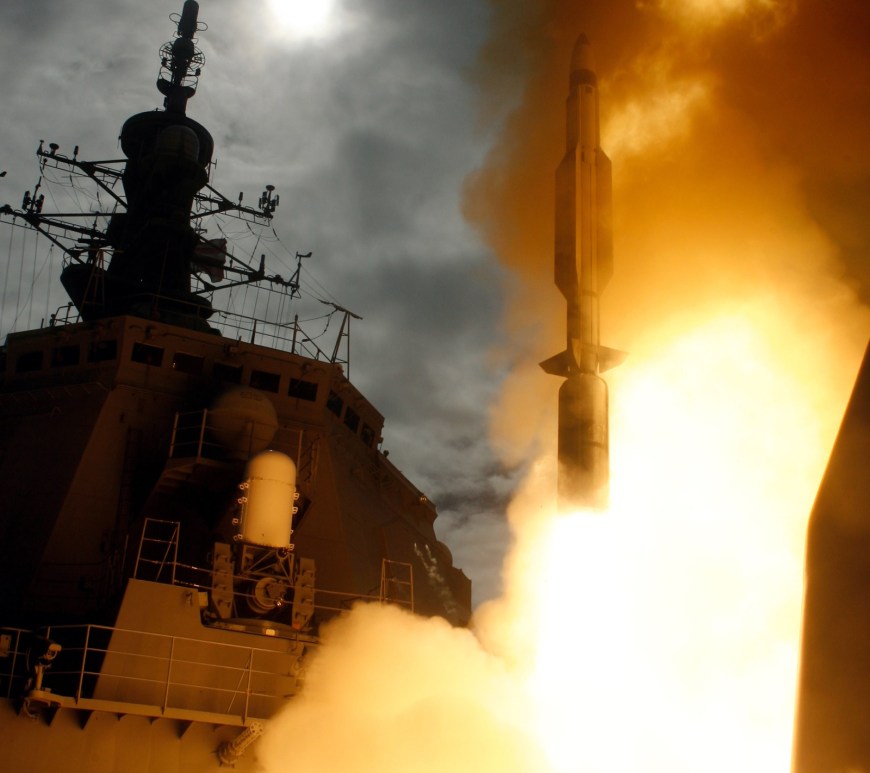
SM-3/Aegis BMD Missile Defense System: Cost Analysis and Performance Comparison

SM-3 interceptors command $27.9 million per unit for Block IIA variants in 2025, positioning them as the world’s most expensive ballistic missile interceptor. This ultra-premium pricing reflects unique dual land/sea deployment capabilities that no other missile defense system can match. Continue reading SM-3/Aegis BMD Missile Defense System: Cost Analysis and Performance Comparison

Small Nation, Global Impact: How Norway’s NASAMS Revolutionized Air Defense with 94% Success Rate

Norway’s development of NASAMS proves that small nations can revolutionize global military technology through innovative engineering and strategic partnerships, as evidenced by the system’s unprecedented 94% combat effectiveness rate in Ukraine and its adoption by 13 countries including the United States for protecting Washington D.C. Continue reading Small Nation, Global Impact: How Norway’s NASAMS Revolutionized Air Defense with 94% Success Rate

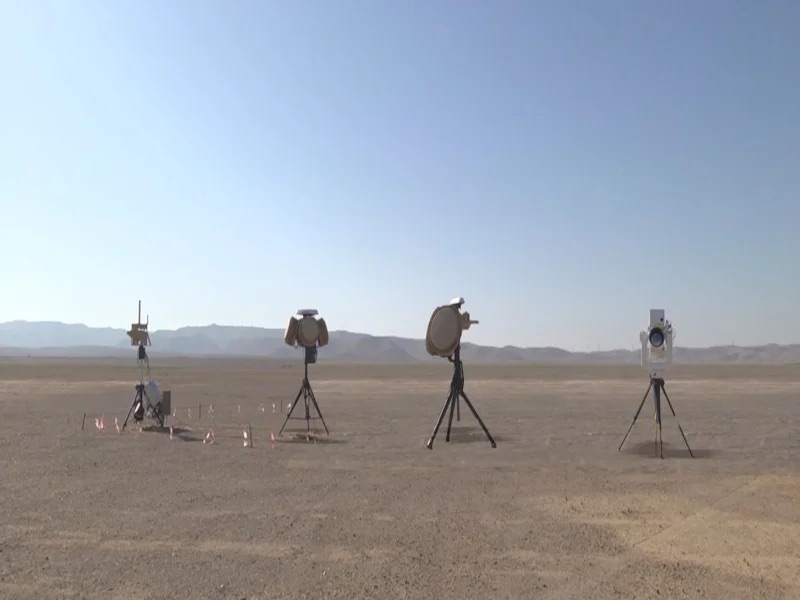
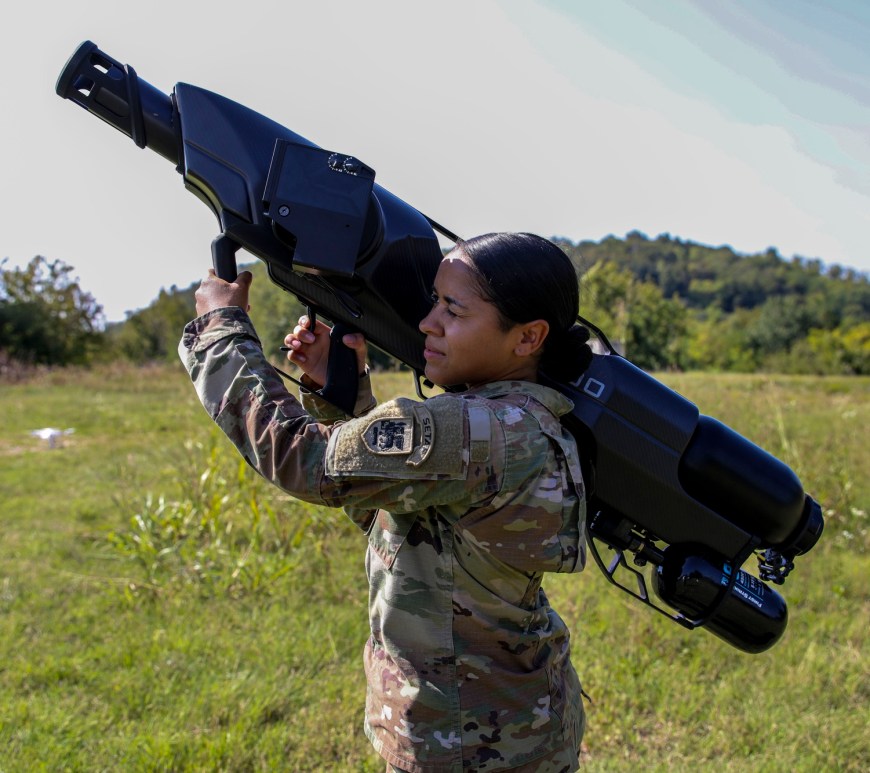
Counter-Drone Systems Comparison: C-UAS Technology Assessment

The proliferation of unmanned aerial systems across contemporary battlefields has fundamentally altered the threat landscape, demanding comprehensive counter-drone solutions that can address everything from commercial quadcopters to sophisticated military UAVs. Continue reading Counter-Drone Systems Comparison: C-UAS Technology Assessment

The Drone Defense Economics Crisis: When $3M Missiles Target $38K Drones

The fundamental economics of drone warfare have created an unsustainable cost asymmetry that threatens traditional air defense models. Ukraine’s combat data reveals that drones account for 70% of combat casualties, while mass-produced attack drones cost as little as $20,000-38,000 each. Meanwhile, defenders face the reality of using interceptors costing 100 to 3,000 times more than the threats they engage. This economic warfare dynamic is driving revolutionary changes in air defense strategy, from AI-enabled autonomous systems to directed energy weapons that promise near-zero cost per engagement. Continue reading The Drone Defense Economics Crisis: When $3M Missiles Target $38K Drones

European views on the Potential for Conventional War and the Need for Ground Based Air Defenses, 2000–2025

Eastern European countries saw the Russian threat coming and consistently documented this in official documents from the early 2000s. Western European powers were overly optimistic and had to dramatically correct course, first in 2014 and then sharply in 2022. Continue reading European views on the Potential for Conventional War and the Need for Ground Based Air Defenses, 2000–2025

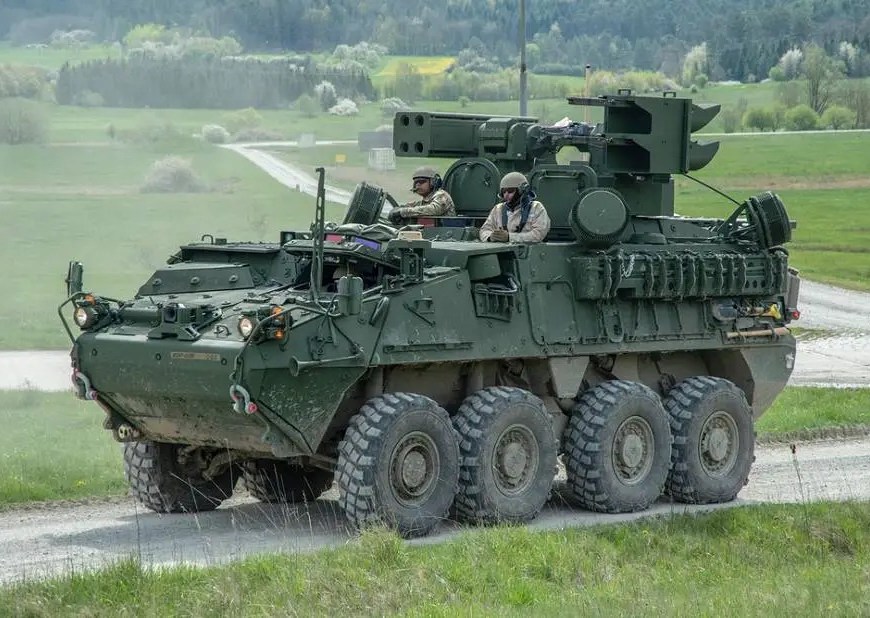
Stryker M-SHORAD Counter-Drone System (US)

The Stryker M-SHORAD (Maneuver-Short Range Air Defense) system, a mobile and multi-layered air defense platform developed by a consortium including Leonardo DRS, General Dynamics Land Systems, and Raytheon Technologies. Designed to counter a range of aerial threats, including drones, helicopters, and fixed-wing aircraft, the Stryker M-SHORAD integrates kinetic and electronic warfare capabilities. Continue reading Stryker M-SHORAD Counter-Drone System (US)