Small Nation, Global Impact: How Norway’s NASAMS Revolutionized Air Defense with 94% Success Rate

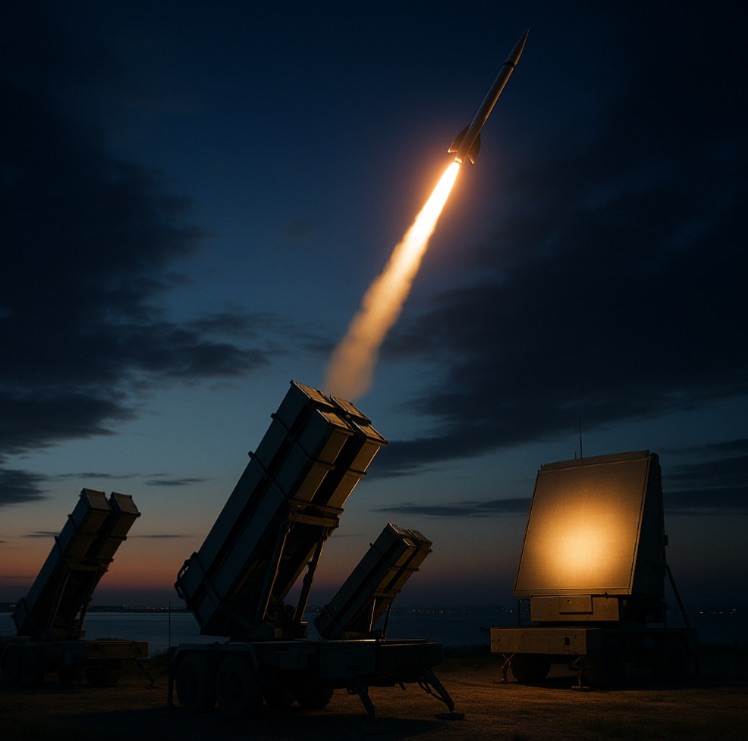
Norway’s development of NASAMS proves that small nations can revolutionize global military technology through innovative engineering and strategic partnerships, as evidenced by the system’s unprecedented 94% combat effectiveness rate in Ukraine and its adoption by 13 countries including the United States for protecting Washington D.C. Continue reading Small Nation, Global Impact: How Norway’s NASAMS Revolutionized Air Defense with 94% Success Rate

American Air Defense Surge Reshapes European Security Architecture

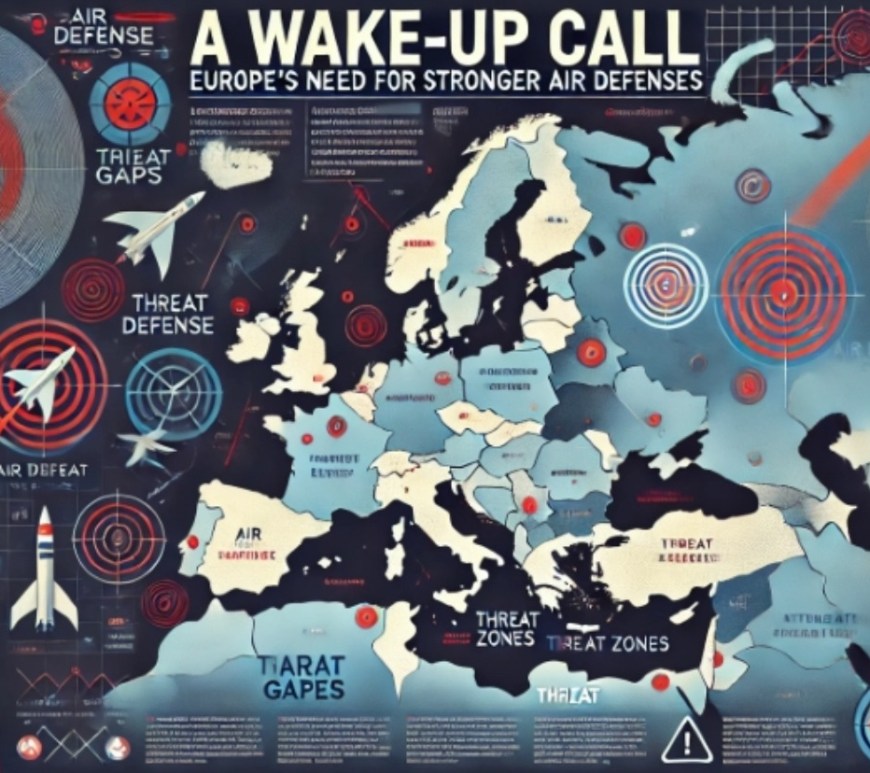
The United States has embarked on the most significant air defense transformation since the Cold War, fundamentally altering the strategic landscape that European nations must navigate. The quadrupling of Patriot missile procurement and the $175 billion Golden Dome initiative represent not just American policy shifts, but catalytic forces reshaping European defense strategy, industrial capacity, and alliance dynamics. Continue reading American Air Defense Surge Reshapes European Security Architecture

Luftvern: Høy beredskap over lang tid – kosteffektivt luftforsvar

Norge og andre europeiske land har de siste årene opplevd økt behov for høy luftmilitær beredskap som følge av endrede sikkerhetspolitiske forhold, særlig etter krigen i Ukraina. Erfaringene fra både norske og allierte styrker viser at et moderne luftvern kan opprettholde høy beredskap over lang tid, samtidig som det gir et kosteffektivt vern mot lufttrusler sammenlignet med andre forsvarsgrener Continue reading Luftvern: Høy beredskap over lang tid – kosteffektivt luftforsvar

Patriot Missile Systems: Empirical Performance Data (2020-2025)

Patriot missile systems experienced extensive combat deployment and testing from 2020-2025, providing unprecedented empirical data on system performance. The most significant finding is the confirmed intercept of Russian Kinzhal hypersonic missiles in Ukraine (May 2023), marking the first verified hypersonic missile intercept by any air defense system. However, performance data reveals substantial gaps between manufacturer claims and independently verified results, with success rates varying dramatically by threat type and operational conditions. Continue reading Patriot Missile Systems: Empirical Performance Data (2020-2025)

The Drone Defense Economics Crisis: When $3M Missiles Target $38K Drones

The fundamental economics of drone warfare have created an unsustainable cost asymmetry that threatens traditional air defense models. Ukraine’s combat data reveals that drones account for 70% of combat casualties, while mass-produced attack drones cost as little as $20,000-38,000 each. Meanwhile, defenders face the reality of using interceptors costing 100 to 3,000 times more than the threats they engage. This economic warfare dynamic is driving revolutionary changes in air defense strategy, from AI-enabled autonomous systems to directed energy weapons that promise near-zero cost per engagement. Continue reading The Drone Defense Economics Crisis: When $3M Missiles Target $38K Drones

The Nordic Norm of Ground-Based Air Defenses: Mass, Mix, Maneuver, and Integration

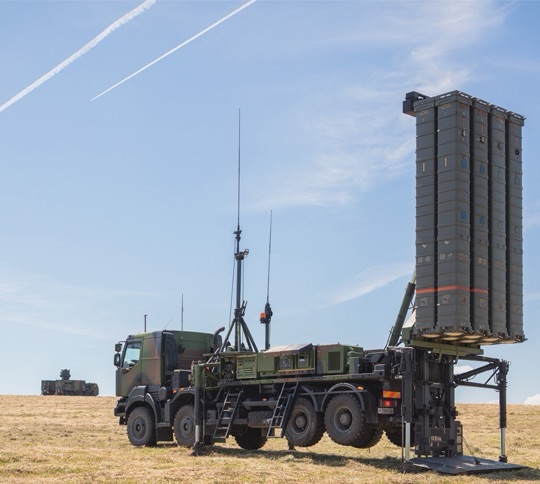
The Nordic region—Sweden, Finland, Norway, and Denmark—has rapidly modernized and expanded its ground-based air defense (GBAD) capabilities in response to heightened security concerns, especially following Russia’s full-scale invasion of Ukraine and the subsequent accession of Finland and Sweden to NATO. Using the mass, mix, maneuver, and integration framework, this article evaluates how these countries’ GBADs collectively fare, with a focus on Sweden’s latest acquisition of German IRIS-T SLM systems. Continue reading The Nordic Norm of Ground-Based Air Defenses: Mass, Mix, Maneuver, and Integration