
Introduction
From the massed gun batteries of the Cold War to a world-leading, network-centric missile shield, Norway’s ground-based air defense has undergone a profound transformation. Today, it stands as a critical component of national and NATO security, designed to protect against a complex spectrum of modern aerial threats. This guide provides a comprehensive overview of its history, current capabilities, and future direction.
1. The Cold War Foundation (1945-1991): Building the First Shield
The story of modern Norwegian air defense began in the immediate aftermath of World War II. In October 1945, with Lieutenant Colonel Leif Husjord appointed as the first Inspector General, Norway embarked on building an air defense artillery branch from the ground up.
By the mid-1950s, this branch had become the second largest in the Army, with mobilization plans for over 20,000 personnel to man a formidable force of 45 heavy and 39 light gun batteries. This initial arsenal was a mix of acquired American, British, and surrendered German materiel.
The era was defined by two key systems:
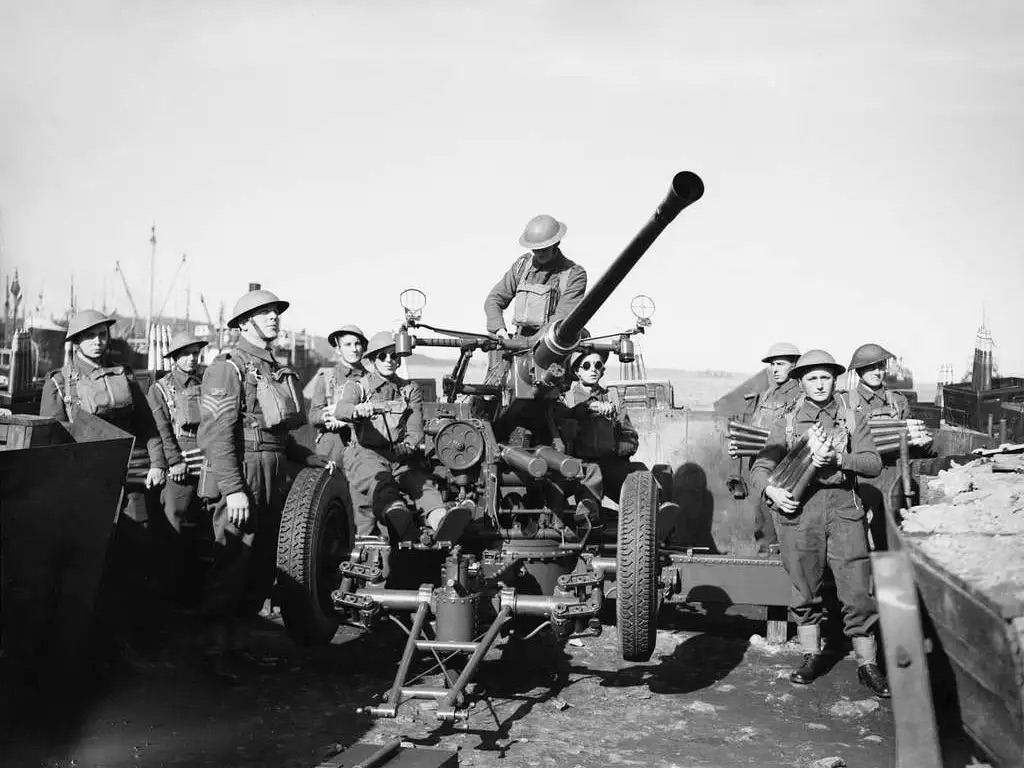
- Static Gun Defenses: A vast number of anti-aircraft gun batteries, such as the radar-guided 40mm L/70 cannon, formed the backbone of point defense for military airfields and critical infrastructure.
- The NIKE Missile System: In 1957, Norway accepted a US offer to acquire the NIKE Hercules high-altitude air defense missile system. Operational from 1960, four NIKE batteries established a vital area defense shield for the strategic Oslo region, capable of intercepting bombers at ranges exceeding 150 km. The NIKE system served as Norway’s premier air defense capability until its decommissioning in 1991.
Throughout this period, the air defense branch shifted between the Army and the Air Force, reflecting an ongoing debate about command and control.
2. Post-Cold War Transition (1990s-2000s): A New Philosophy
The end of the Cold War brought significant change. The focus shifted from a large, mobilization-based invasion defense to a more technologically advanced, expeditionary force. This period was marked by downsizing but also by groundbreaking innovation.
- NOAH (Norwegian Adapted HAWK): In the 1980s, Norway adapted the American-made HAWK missile system into NOAH. By integrating a new Kongsberg-developed command system and a modified radar, NOAH was a crucial stepping stone, building national competence in missile defense systems integration.
- The NASAMS Revolution: The true game-changer was the development of the Norwegian Advanced Surface-to-Air Missile System (NASAMS). In a world-first, Kongsberg Defence & Aerospace, in partnership with Raytheon, created a system that used the existing AIM-120 AMRAAM air-to-air missile in a ground-based role. This revolutionary network-centric design, which connected dispersed launchers and sensors to a central Fire Distribution Center (FDC), created a more survivable, flexible, and lethal system than its predecessors.
This era also saw the phasing out of the old systems. The L/70 cannons were retired in 2001, and the RBS 70 short-range missiles were removed from the structure in 2004, leaving NASAMS as the sole remaining pillar of Norwegian air defense.
3. The Modern Era: A Multi-Layered, Networked Defense
Today, Norwegian ground-based air defense is a highly capable, multi-layered system designed for the modern threat environment. It is built around two primary, integrated systems.
Medium-Range Layer – The Backbone: NASAMS 3
NASAMS remains the core of Norway’s air defense. The current NASAMS 3 is one of the most advanced medium-range systems in the world, combat-proven and operated by 13 nations.
- Role: To provide area defense for critical assets such as airbases, ports, and population centers against aircraft, helicopters, drones, and cruise missiles.
- Key Capabilities:
- Network-Centric: Its greatest strength is its ability to network multiple radars and launchers over a large area, increasing resilience and coverage.
- Multi-Missile Capability: Launchers can fire a family of missiles, including the standard AIM-120 AMRAAM, the extended-range AMRAAM-ER (50% greater range), and the short-range AIM-9X Sidewinder for layered defense.
- High Interoperability: Fully integrated into NATO’s command structures via Link 16 data links, allowing it to share targeting data with allied aircraft and ships.
Short-Range Layer – Protecting the Manoeuvre Army: NOMADS
To remedy the lack of air defense for mobile army units, Norway developed the Norwegian Manoeuvre Air Defence System (NOMADS).
- Role: To provide a highly mobile protective bubble over maneuvering army units, specifically the mechanized forces of Brigade Nord.
- Key Capabilities:
- All-in-One Platform: The entire system—including an AESA 3D radar, command and control station, and missile launchers—is integrated onto a single, highly mobile ACSV G5 tracked armored vehicle.
- Rapid Engagement: Designed to move with frontline forces, halt, engage a threat, and move again in a matter of minutes.
- Lethality: Primarily armed with the highly agile AIM-9X Sidewinder missile, ideal for countering fast-moving threats at shorter ranges. It is also networked to and can be cued by the larger NASAMS system.
4. Organizational Structure: Who Operates the Systems?
- Royal Norwegian Air Force: Operates the strategic NASAMS 3 batteries. These units are based at key air stations like Ørland, home of the F-35 fleet, and Evenes in the north, which hosts the NATO Quick Reaction Alert (QRA) mission.
- Norwegian Army: The Artillery Battalion within the main combat formation, Brigade Nord, is responsible for mobile air defense and is being equipped with the new NOMADS system.
- Control and Reporting Centre (CRC) Sørreisa: This is the nerve center of Norwegian air surveillance, providing the recognized air picture for both civilian and military authorities and cueing the air defense systems.
5. The Future: A Stronger, Longer-Range Shield
Norway is continuing to invest heavily in its air defense capabilities in response to the evolving security environment.
- Increased Capacity: New contracts are in place to acquire additional NASAMS 3 systems, both to replace units donated to Ukraine and to expand the total number of batteries.
- Enhanced Sensors: A major upgrade is underway. Norway is partnering with Kongsberg and Raytheon to develop a new, more powerful radar for NASAMS based on the GhostEye (LTAMDS) family. This will significantly increase the detection range and tracking capability of the system against faster and smaller targets.
- The Long-Range Question: There is an active strategic debate in Norway about acquiring a dedicated long-range air and missile defense system (such as Patriot or SAMP/T) to defend against tactical ballistic missiles. While no decision has been made, it represents the next logical step in capability.
- Deeper Integration: The ultimate goal is a fully integrated system where the F-35, NASAMS, NOMADS, and future systems operate as a single, seamless air defense network, fully connected with NATO allies.
In conclusion, Norway’s ground-based air defense has evolved from a static Cold War force into a dynamic, technologically superior, and deeply integrated system. As a key innovator and operator of world-class technology, Norway provides a critical contribution to the defense of its own territory and the entire NATO alliance.
AI-assisted article.

